Metals Processing and Scrap Metal Recycling Systems
Metals processing and scrap metal recycling systems from ERS are engineered as complete lines, not as machines bought separately and hoped into working together. We design, build, install and support the whole chain, from the feed at one end to a baled, saleable product at the other.
The question we start with is never which machine you want. It is what your material actually is, and what you are losing in the reject fraction. Everything else follows from the answer to that.
Built Around Your Material, Not a Catalogue
With decades of industry experience, ERS combines engineering with real plant knowledge to design, build and install complete metals processing lines. From the first consultation and process flow design through equipment supply, installation and ongoing service, one team carries the project from beginning to end. That continuity matters most two years after commissioning, when something needs adjusting and you want to speak to someone who remembers why it was built that way.
No two facilities run the same material at the same rate in the same building. A line specified from a catalogue will underperform in at least one of those three dimensions, and usually in all three. ERS specifies from your feedstock, your throughput target and your floor plan, in that order.
What a Complete Line Involves
Material enters through feed and conveying sized to your rate rather than to a standard figure. Pre-shredding and shearing open bulky and rigid material before it reaches the primary stage, which protects the machines downstream and stabilises what they see.
Shredding and milling then liberate metals that are bound together, laminated or insulated. Liberation is where recovery is won or lost, and it is the stage most often undersized. Separation and recovery follow, using magnetic, eddy current, density and sensor-based technologies configured around what you are actually trying to pull out rather than around a generic flowsheet. Dust collection is integrated across the line as part of the same design. Baling at the end turns recovered fractions into a consistent product that buyers will pay properly for.
Material Streams We Build For
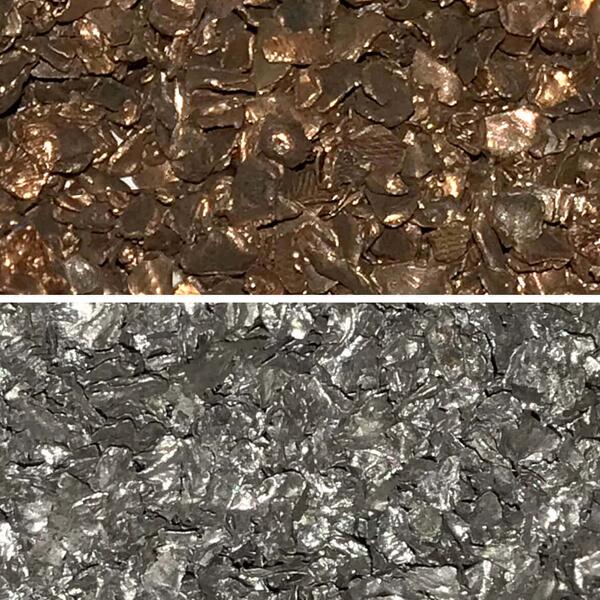
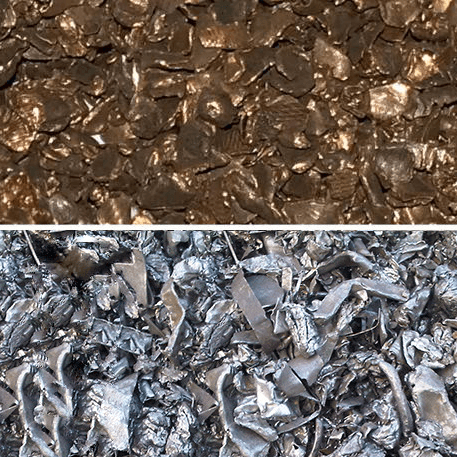
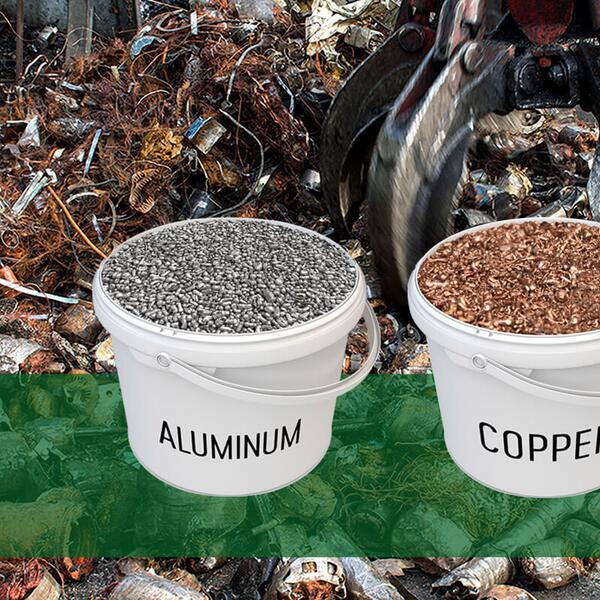
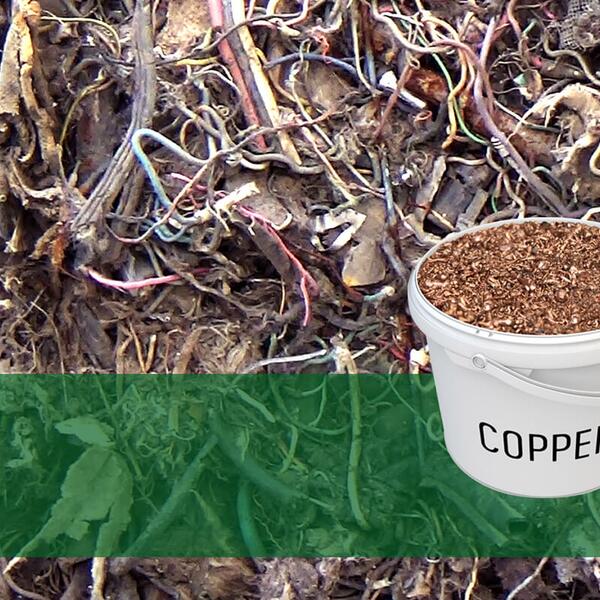
Copper wire and cable chopping and granulation systems process insulated copper and aluminum wire, maximising liberation while preserving copper integrity for high purity recovery, using heavy duty shredders, granulators and advanced magnetic and eddy current separation.
For the battery sector, black mass recovery systems extract lithium, cobalt and nickel from spent cells, designed around the reality that this is a material stream with genuine fire risk. EV recycling systems handle battery pack recovery from end of life vehicles together with the copper, aluminum and black mass fractions that come with them.
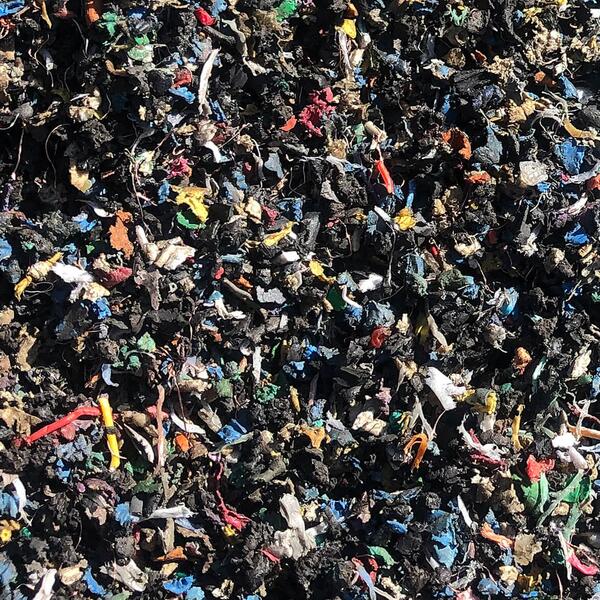
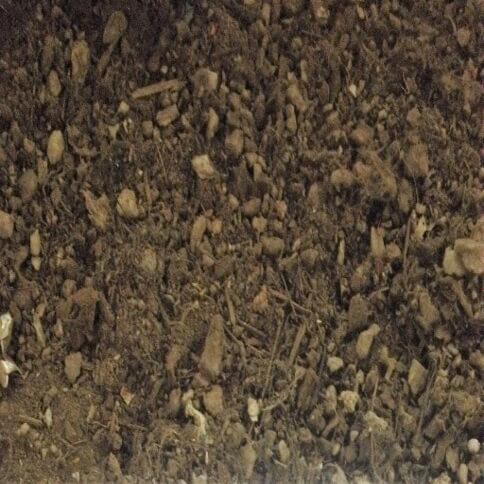
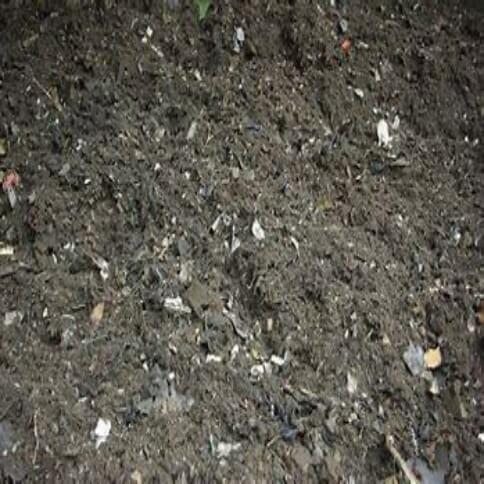
ASR and car fluff lines pull metals and plastics out of complex shredder residue with minimal loss, turning what was a landfill cost into a recovered fraction. Shredder wire and cable lines handle high volumes with crushers, granulators and separators. Midlings and tailings systems recover metal from the intermediate and residual fractions that most operations write off entirely, which is often the fastest return in the whole plant because the material is already on site and already paid for.
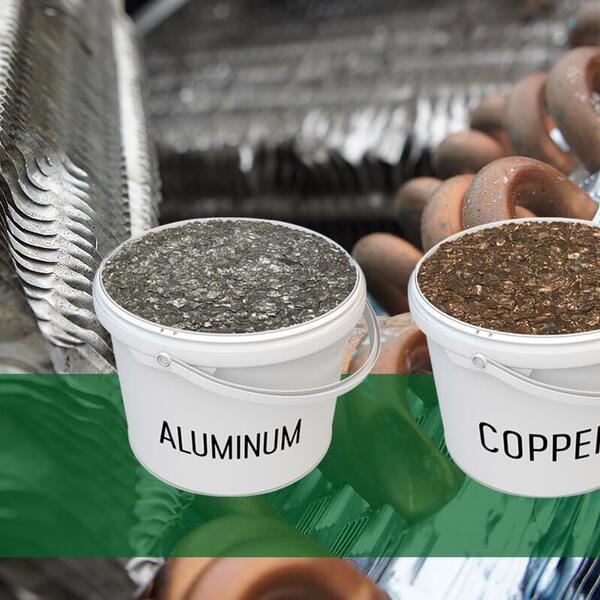
We also build for HVAC coil, radiator and ACR scrap, separating copper from aluminum. Our e-waste recycling systems handle electronics, circuit board and retail e-scrap streams, recovering precious metals from mixed material. And for aluminum scrap and trim handling in beverage can production, where volumes are high and the metal is clean enough to be worth protecting.
Prove It On Your Own Material First
Specifications on paper are a starting point, not an answer. The ERS Test Facility in Atlanta exists so that you never have to take a recovery figure on trust.
Send us a sample of your actual feedstock and we will run it through an ERS process flow, then show you the recovery efficiency, the material purity and the throughput you can expect. You see the output fractions in front of you rather than a number in a brochure. If the result does not justify the investment, you have found that out for the cost of shipping a drum instead of the cost of a line.
That test is also where most system designs get refined, because real material almost always behaves differently from the way it was described on a phone call. A stream that separates cleanly in theory can carry moisture, oversize or contamination that changes the flowsheet entirely, and it is far better to discover that on a sample than on a commissioning date.
Equipment Integrated, Not Assembled
ERS works with established manufacturers including WEIMA, Guidetti and TAURUS, and integrates their equipment alongside ERS engineered components into a single line with one control philosophy and one point of responsibility.
Industrial shredders and mills, pre-shredders, hammer mills, turbo mills, shear balers, granulators and separation tables are specified as parts of a system rather than as individual purchases. A line is only as good as its weakest stage, and the weakest stage is almost always the one that was chosen on its own, on price, without reference to what feeds it or what it feeds.
Who We Build For
Scrap metal recyclers and processors, automotive dismantlers, electronic waste and e-scrap recyclers, battery recycling operations, manufacturers handling their own production scrap in house, and demolition and construction waste handlers.
The scale varies from a single upgrade on an existing line to a complete turnkey installation. The engineering approach does not change with the size of the job, and neither does the support afterwards.
Next Steps
If you are evaluating metals processing or scrap recycling systems and want better recovery, higher throughput or more value out of the same tonnage, our engineering team will review your material streams, your layout and your targets, and outline what the line should look like.
Request a quote, book a consultation with an ERS engineer, or send material to the Atlanta test facility and let the result make the case.
Our Scope of Recycling Systems