Clean Copper Out Insulation and Contaminants Gone
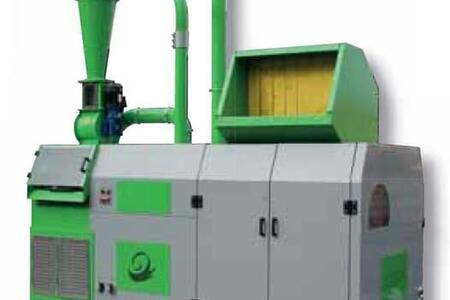
Copper wire and cable recycling systems from ERS recover high-value non-ferrous metal from insulated wires, industrial cable scrap and automotive harnesses. Built for industrial-grade duty, they help processors maximize yield and profitability while keeping dust and noise under control on the plant floor.
Copper remains one of the most valuable commodities in the recycling industry, yet most of it arrives mixed with insulation, plastics, aluminum or ferrous contaminants. ERS addresses that with modular systems designed to handle mixed input streams and deliver clean, separated metal outputs. Whether the feed is household wire, heavy-gauge industrial cable or telecom lines, the system scales to the operation.
Pre-Shredding
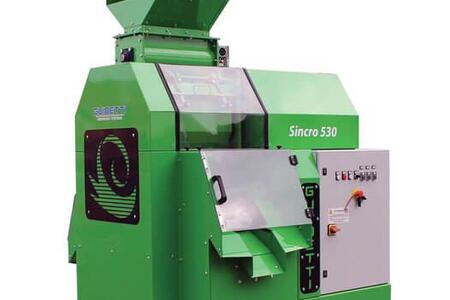
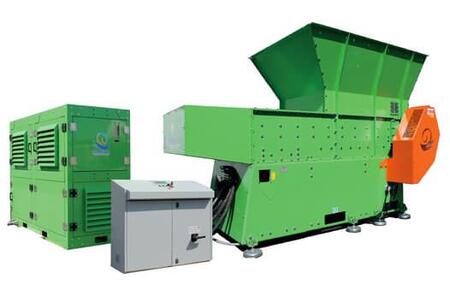
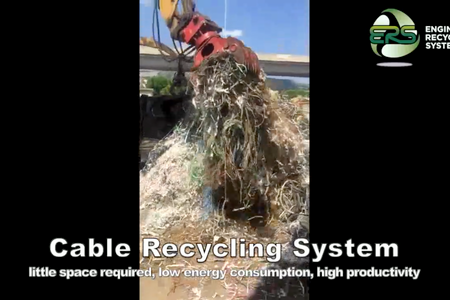
Each system begins with a rugged pre-shredding unit that breaks cable down to manageable sizes while minimizing material loss. These shredders handle coiled wire, compacted scrap and irregular cable geometries at consistent throughput and with minimal wear. Heavier or armored material routes through shredders and mills first.
Granulation
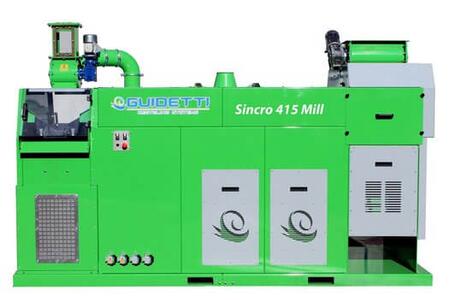
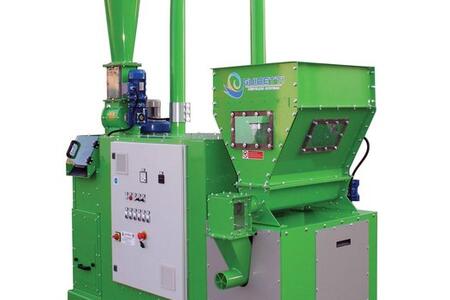
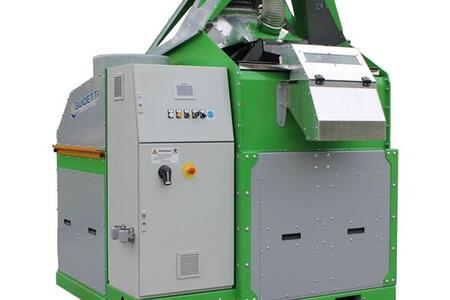
Once shredded, material moves into the granulation stage, where high-speed blades chop wire into uniform particles and liberate copper and aluminum conductors from their insulation. Particle size is the control that matters here: too coarse and the metal stays bound to the insulation, too fine and copper leaves with the light fraction. ERS integrates Guidetti Sincro Line granulators and the Reco Mill Line where the application calls for them.
Air Separation and Sorting
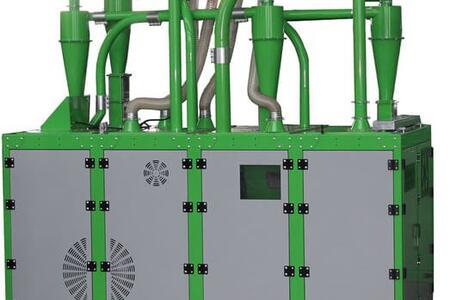
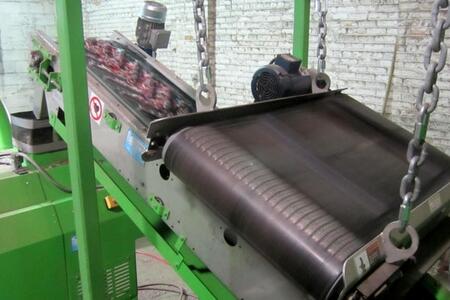
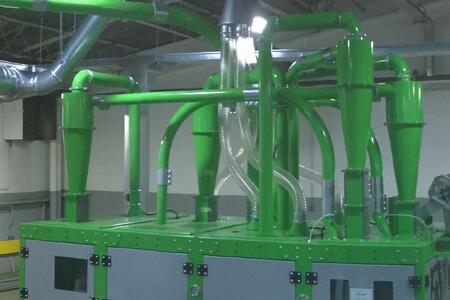
Precision air separation follows, using adjustable airflow and density profiling to isolate clean metal granules from non-metallic fluff. Systems can also incorporate zigzag separators, eddy current sorters and magnetic filters to sharpen classification and lift purity. Magnetic separation takes the ferrous, density separation tables split what the air leaves behind, and advanced material separation handles the difficult middlings. Aluminum outputs come off ready for resale or direct melting, with ferrous fragments removed in line.
Harnesses and Mixed Loads
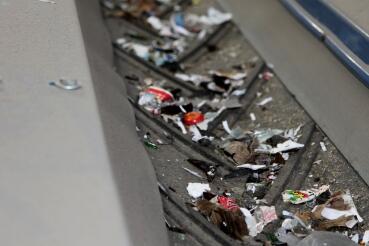
Automotive harnesses are the hardest feed on this list. They arrive as copper, insulation, connectors, tape, loom and the occasional steel clip, all bound together and none of it uniform. A line tuned only for clean household wire will choke on them. ERS designs for the harder end of the mix so the system still performs when a load of harness arrives alongside the cable it was bought for.
What Purity Is Worth
Purity is the whole commercial argument. Clean copper granulate sells against a published price. Granulate carrying insulation, fines or an aluminum fraction is bought on someone else's assessment of what is in it, after a deduction you cannot see and cannot argue with. Across a year of throughput that gap is usually larger than the cost of the separation stage that would have closed it.
The second number is what leaves in the light fraction. Fine copper carried out with the plastic is the most common loss on a chopping line and the one least likely to have been measured, because nothing about it looks wrong on the floor.
Modular, and Tuned While Running
ERS systems are fully modular and tailored to each facility's floor plan, capacity and material type. Operators fine-tune feed rates, granulator speeds and air separation settings through PLC controls without interrupting throughput. That adaptability is what holds performance steady across a wide range of input material, which on wire changes load to load.
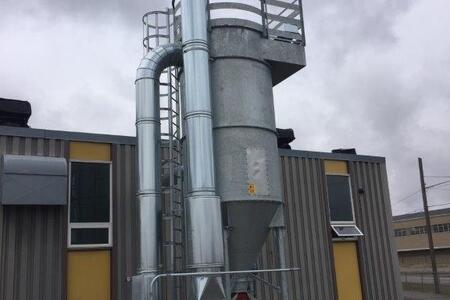
Conveying and pneumatic transport move material between stages, dust collection and CCM® filtration handle the fine particulate that granulation produces, and baling turns recovered fractions into a product a buyer prices properly.
Where This Sits in the Range
For higher volumes there are large-scale wire chopping systems; for manufacturers processing their own offcuts, in-house wire scrap recovery. Shredder wire and cable covers material coming off an auto shredder, ACSR wire the steel-cored overhead conductor, and the full range sits under wire recycling equipment and metals processing and scrap metal recycling systems.
Prove It On Your Own Material First
Recovery figures on paper are a starting point, not an answer. The ERS Test Facility in Atlanta exists so you never have to take one on trust. Send a sample of your actual wire and we will run it through an ERS process flow, then show you the recovery, the purity and the throughput, with the output fractions in front of you rather than a number in a brochure.
Support After Commissioning
A chopping line is worth what it does in year five. ERS keeps a stocked warehouse and supports every installation it builds, through to spare parts and service — blades, screens and separation components without a lead time measured in months. Installed systems are written up under project news and system updates.
Next Steps for Your Copper Wire and Cable Project
If you are specifying a copper wire and cable recycling system, send your material mix, your volume and your floor plan through the contact form. Better still, send a sample and we will run it.