Breaking the Bond Between Copper and Aluminum
ACR aluminum and copper radiator recycling systems from ERS sort copper tubes from aluminum fins, engineered for high-purity recovery and minimal material loss. At Engineered Recycling Systems we build Scrap AC Radiator processing lines that sort the two metals apart consistently, load after load.
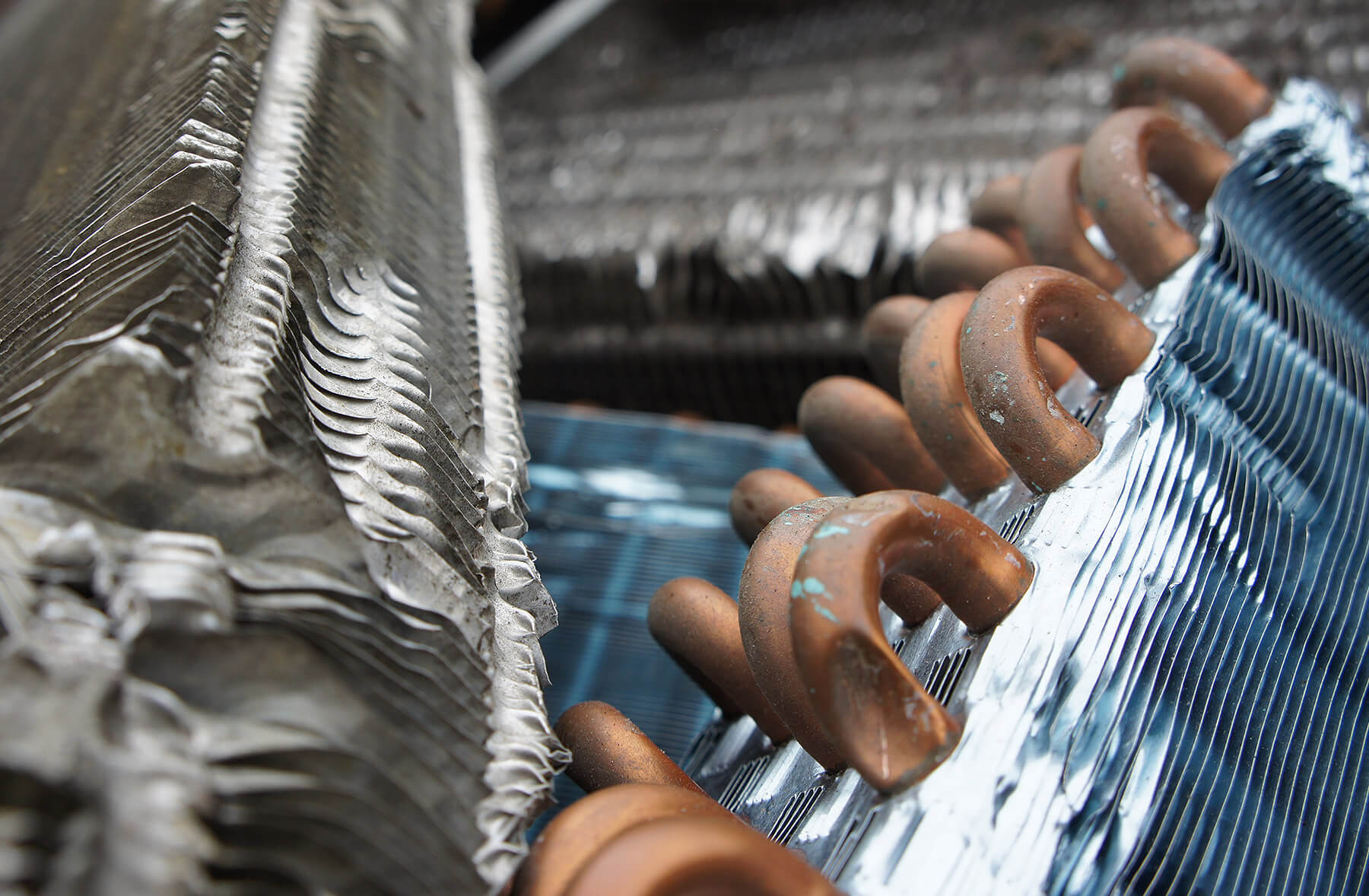
Scrap aluminum copper radiators are built with aluminum fins on the exterior and copper tubes inside, creating a tightly bonded structure that requires controlled processing to separate effectively. That layered design is the reason ACR material holds such high value, and it is also what makes separation challenging without the right equipment. ERS systems are engineered specifically to break down this composite structure, isolate the metals, and deliver clean, high-purity fractions ready for resale or downstream refining.
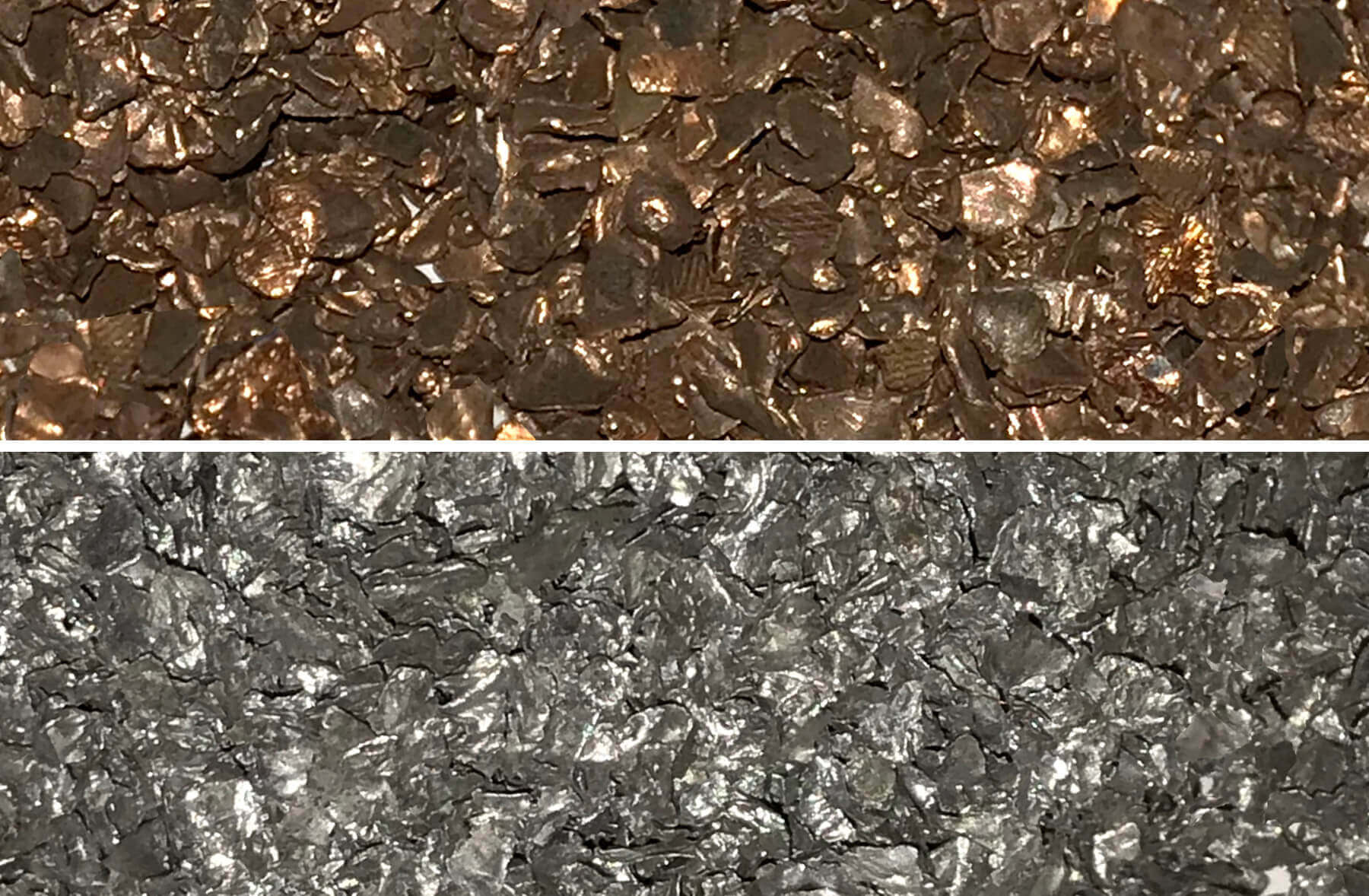
ERS ACR processing systems use chopping, controlled material reduction and precise sorting stages so recyclers recover clean copper and aluminum with minimal loss. That raises profitability, improves downstream purity and supports long-term sustainability goals. By maximizing recovery from every radiator, recyclers gain an advantage in a market where copper and aluminum demand keeps rising.
Beyond material recovery, ERS systems reduce waste and improve recycling efficiency. Whether the operation is a large-scale industrial facility or a smaller processing line, the solution is engineered for reliability, ease of maintenance and consistent performance across diverse material streams. Our engineering team works closely with recyclers so each installation is optimized for throughput, purity and long-term operational success.
What ACR separation is worth
An AC radiator is a deliberately difficult object. Aluminum fins are mechanically bonded to copper tubes because that is what makes a heat exchanger work — and it is exactly what makes the scrap hard to separate. Processed whole, the material sells as a mixed grade. Separated cleanly, the copper fraction sells at copper prices.
That gap is the entire business case. An ACR line pays for itself out of the difference between what a mixed radiator fetches and what clean copper and clean aluminum fetch, on every load, for as long as the line runs.
ERS systems break the bond mechanically, in stages, so the copper comes out as recognizable tube rather than as fines lost to the dust. Size reduction first, then sorting in stages: magnetic and eddy-current separation to pull the ferrous and non-ferrous apart, then density separation to finish the two streams to a grade a buyer will pay for without a discount.
Radiators rarely arrive alone. Most yards running an ACR line are also handling copper wire and cable, electric motor scrap and shredder wire, and the same floor space and the same crew can serve all of them when the line is designed for it. We build the whole plant, not one machine — including the shredders and mills upstream and the dust collection that keeps the fines out of the air and in the product.
After commissioning it stays ours to support, with spare parts and field service out of Atlanta. Bring a pallet of your own radiators to our test facility in Atlanta and we will run them and document what comes out the other end.
Where the radiators come from
Two streams, and they behave differently. Automotive ACR arrives from dismantlers and scrap yards, usually dirty, often still carrying brackets, hose stubs and plastic end tanks. HVAC coils arrive from service companies and demolition, in larger formats and frequently in better condition but harder to handle.
A line specified for one and fed the other will underperform. ERS sizes the reduction and sorting stages for the mix a yard actually receives, which is why the first question is always what is coming through the gate rather than which machine is wanted. The HVAC side is covered in more detail under HVAC recycling systems.
Next Steps for Your ACR Recycling Project
If you are evaluating ACR aluminum and copper radiator recycling systems, upgrading an existing line or planning a new installation, send your radiator material, your volumes and your floor plan through the contact form. We will review the material, discuss the sorting stages needed for clean copper and aluminum recovery, and identify the configuration that delivers what the operation needs.
If you want to see how your ACR material performs before deciding, send a sample for testing. We run it through an ERS-engineered line and give you documented recovery results and performance data you can plan against. Installed systems are written up under project news and system updates.