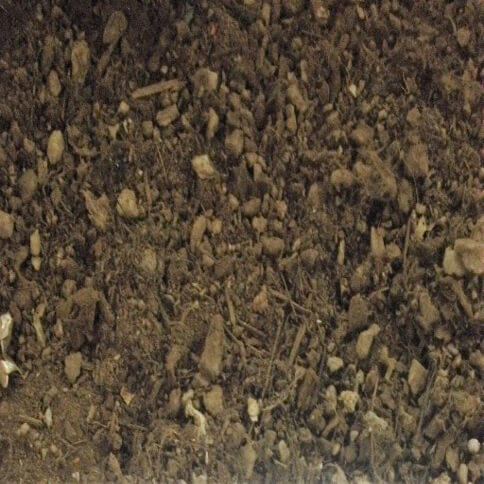
The Fines Are Where the Money Is Left Behind
ASR fines processing systems from ERS sort and recover the metal still in Automotive Shredder Residue fines, through a controlled separation process. These systems stabilize material flow, reduce dust and deliver consistent recovery across a wide range of input conditions. As fines become a more important revenue stream : particularly with the rise of EV components and increasingly complex shredder residue : high-purity recovery from this fraction is now part of staying profitable rather than a nice-to-have.
ERS systems are built for the variability, contamination and density problems that define modern fines. From copper and aluminum through to stainless and heavy non-ferrous fractions, the line is configured to capture what is actually there.
Glass and Rock Contamination in ASR Fines
Across the industry one issue affects operators more than almost any other: glass and rock contamination in the fines. These materials are dense and abrasive. Left in the stream they cut recovery efficiency and chew through downstream equipment.
The problem gets worse as throughput rises, and worse again as material shifts toward EV-related scrap, which carries more glass, ceramics and mineral-based components than a conventional car. The bill arrives as higher maintenance cost, shorter component life and a line that is less reliable than the one that was bought.
ERS removes these materials as a first step, before they reach the sorting stages. Addressing contamination at the front end gives cleaner fines, smoother running and longer equipment life, and it is the single change that most often lifts recovery on an existing installation.
System Design for High-Efficiency Fines Recovery
The sorting stages are configured around the customer's material profile, throughput requirement and recovery goals. Controlled feeding, precise size reduction through shredders and mills and hammer mills, and advanced air separation give consistent results with minimal operator involvement.
The sorting runs in stages: magnetic separation takes the ferrous, eddy current and density separation tables sort the non-ferrous fractions apart, and advanced material separation handles the difficult middle. Conveying and pneumatic transport move material between stages, dust collection is designed in rather than added later, and baling turns the recovered fractions into a saleable product.
Layouts are designed to minimize maintenance and wear and to hold stable operation under variable material conditions. Components are selected for durability and serviceability in what is a genuinely high-abrasion environment. Whether the feed is traditional shredder residue or EV-derived material, the system is built to hold its recovery rate rather than start well and drift.
Where Fines Sit in the Wider Plant
Fines are the tail of a bigger stream. ASR and car fluff lines handle the coarse fraction, and midlings and tailings systems cover the intermediate material that sits between the two. Plants running wire alongside will find shredder wire and cable and copper wire and cable recycling, and everything sits under metals processing and scrap metal recycling systems.
For operations handling EV material directly, EV recycling systems and black mass recovery cover the battery side of the same vehicle.
Integration and Support
ERS provides full system integration: layout planning, equipment selection, controls and long-term service. Every facility has its own material mix, available space and recovery objectives, and the system is configured to that rather than to a standard package.
The engineering team supports installation, commissioning and ongoing optimization. As fines keep changing with new vehicle materials and shifting scrap streams, the system has to adapt and scale with the operation, which is a design decision taken at the start rather than a retrofit later. Backing that is a stocked warehouse and spare parts and service : hammers, screens and separation components without a lead time measured in months. Installed systems are written up under project news and system updates.
Prove It On Your Own Material First
Before committing, send material for testing. At the ERS Test Facility in Atlanta your own fines are run through an ERS process flow and you see the recovery, the purity and the throughput in front of you rather than in a brochure. On a stream as variable as fines, that test is usually what decides the final flowsheet.
Next Steps for Your ASR Fines Processing System
If you want to improve recovery from ASR fines, or you are fighting glass and rock contamination, send your material characteristics, throughput goals and integration requirements through the contact form. We will walk through the layout, the expected recovery and the long-term goals so the system can be planned with confidence.
Shredder Fluff
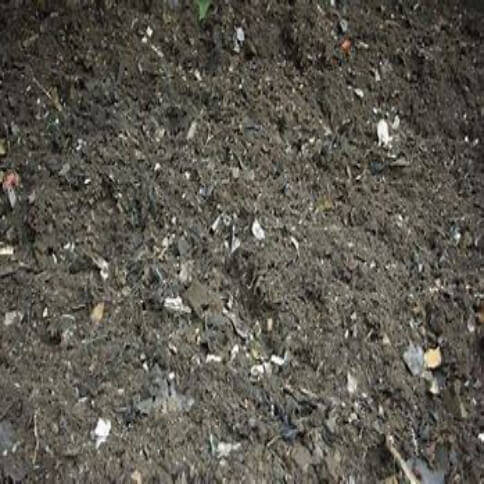
ASR Fines