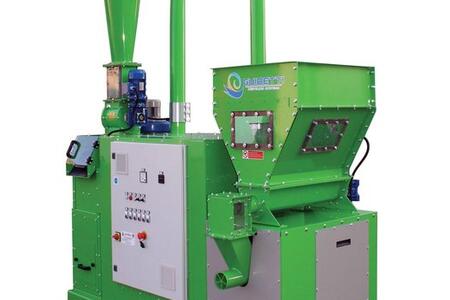
Reco Mill Line
Electronics and Electrical Recycling Systems
Engineered Recycling Systems (ERS) designs and builds e-waste recycling systems in the United States. From our facility in Atlanta, Georgia we engineer complete electronics recycling systems and metal and plastic separation systems for electronic and electrical (E-Waste) processing — for electronics processors, ITAD operations and metal recyclers across the US and Canada.
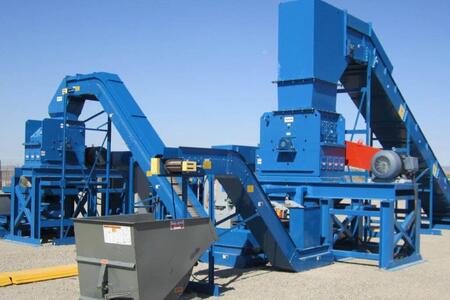
ERS is an equipment manufacturer and systems integrator, not a recycling service: we build the line, our customers run it. Our systems cover e-waste recycling equipment, PCB recycling systems, meatball processing, small motor recycling and alternator and starter recycling. We engineer everything from compact recycling units to multifunctional recycling solutions that can process mixed materials, from all kinds of cables and wires to radiators and aluminum cans. These compact and versatile systems deliver performance that is rarely seen in the industry.
ERS E-Waste Solutions – Recover Metals from PCBs Efficiently
Electronics and Electrical Recycling Systems
ERS E‑Waste solutions are engineered to recover metals from PCBs and other electronic components with exceptional efficiency. With global raw material shortages and ongoing supply chain challenges, the ability to reclaim valuable metals from electronic scrap has become a strategic advantage. A properly designed electronics recycling system allows you to recycle and prepare for reuse materials that would otherwise become waste, strengthening your material supply, reducing disposal costs, and supporting long‑term sustainability goals.
The recycling of electronic waste begins with the separation of metallic and non‑metallic fractions. Once separated, these materials can be processed further for reuse. Electronic devices such as computers, televisions, smartphones, and industrial equipment contain significant quantities of valuable metals including copper, silver, palladium, and other rare materials. These metals are expensive, increasingly scarce, and subject to volatile supply conditions. If your operation depends on them, shortages can limit production capacity and delay orders. By using e‑waste recycling equipment, you can recover a portion of these metals and reduce your dependence on external suppliers. ERS systems are engineered specifically for this purpose and can be tailored to your material streams, whether you process cables, wires, PCBs, radiators, aluminum cans, or mixed electronic scrap.
The advantages of using electronics recycling systems extend far beyond material recovery. The procurement of metal ores is time‑consuming, energy‑intensive, and costly. Transport, processing, and refining all add significant expense. In contrast, the reprocessing of metals from e‑waste is more efficient and requires far less energy. By recovering metals from your own waste stream, you reduce your reliance on volatile commodity markets and lower your overall operating costs. Over the medium to long term, an investment in an ERS system can pay off through reduced material costs, lower disposal fees, and improved process stability.
Environmental protection is another major benefit. Discarded electronics and electrical items represent one of the fastest‑growing waste streams worldwide. Proper recycling reduces landfill volume and lowers the environmental burden associated with disposal. At the same time, it conserves natural resources because recycled metals and plastics can be used to manufacture new products. Mining, ore processing, and long‑distance transport place a heavy load on the environment. By using electronics recycling systems and metal and plastic separation technology, you significantly reduce this impact. Many electronic devices also contain hazardous substances that must not be released into the environment. Professional recycling ensures that these materials are handled safely and responsibly.
ERS systems also improve process efficiency. Our electronics recycling systems automate key steps in the recycling process. Instead of labor‑intensive manual sorting and handling, materials can be fed directly into the system, freeing your employees for higher‑value tasks and increasing your overall production capacity. We design each system to integrate smoothly into your existing processes so that material flows, maintenance access, and operation align with your plant layout and production schedule.
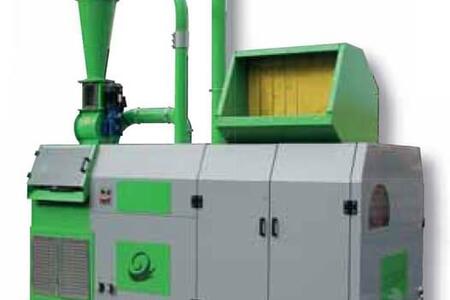
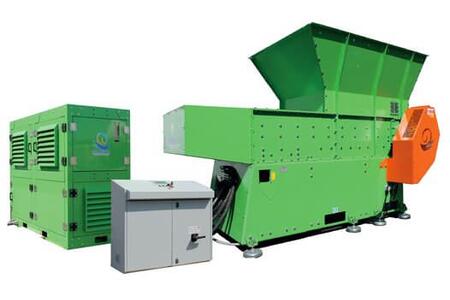
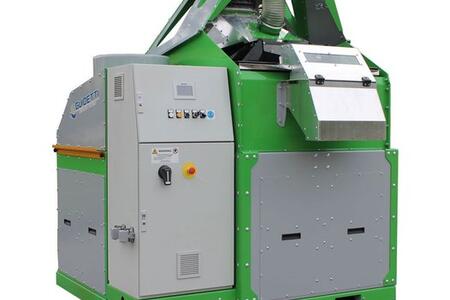
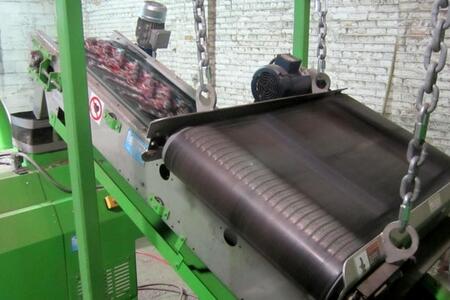
ERS offers a wide range of solutions for copper recovery from electronics, metal and plastic separation, rare earth metal recovery, black mass processing, and the treatment of complex composite materials. Systems such as the Reco Mill Line are designed for efficient copper recovery from cables and wires, while other configurations focus on small motor recycling, alternator and starter recycling, and the processing of radiators and other metallic components. With the right combination of shredding, separation, and conveying technology, we configure systems that deliver high metal purity and stable output quality. For applications involving more complex materials, we work closely with you to define the correct process steps and equipment.
Depending on your requirements, we can design compact recycling units for limited space and lower throughput, or fully integrated multifunctional recycling solutions for higher volumes and multiple material streams. Our engineering team considers performance, purity, energy efficiency, maintenance access, and total cost of ownership. The result is a system that fits your plant, your materials, and your business model.
Next Steps for Your Electronics Recycling Project
If you’re evaluating electronics recycling systems, upgrading your e‑waste recycling equipment, or planning a new PCB recycling installation, our engineering team is ready to support you. We can review your material stream, discuss the separation stages required for your specific components, and help identify the system configuration that delivers the performance and purity your operation needs.
When you’re ready to move forward, you can reach out through our contact form to request a quote or schedule a consultation with an ERS engineer about your project. This gives you a direct line to our technical team and ensures that your system layout, integration path, and performance expectations are aligned with your goals.
If you want to see how your material performs in a real system before making a decision, you can also send material for testing to our facility. Our team will run it through an ERS line and provide you with documented recovery results and processing data you can rely on for confident planning.
Secure Hard Drive and Data Destruction Systems
Hard drive destruction is a different job from metal recovery, and it needs a line built for it. ERS designs the shredding, separation and dust collection around it as one system rather than three machines bought separately.
For ITAD operations and secure data destruction providers, the shredder has to hit a required particle size and hit it repeatably — every drive, every shift, with nothing passing through intact. That is a throughput and reliability question as much as a security one, because a line that stops is a line that puts drives in a queue instead of through the shredder.
What happens after the shredder decides whether the operation pays for itself. Shredded drives contain aluminium, steel and circuit board material worth real money, but only once they are separated cleanly. Sold as mixed scrap they fetch a mixed price. ERS builds the metal separation downstream — magnetic, eddy current and density separation — so each fraction leaves the building as a clean, saleable product.
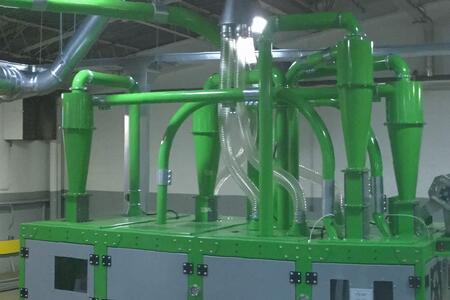
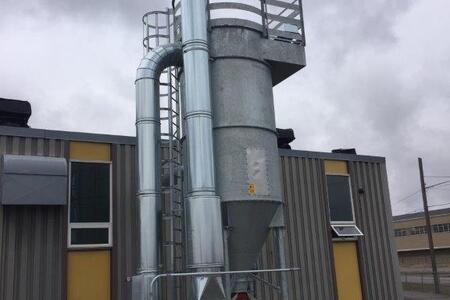
Then there is the dust. Shredding drives, phones and small electronics releases a fine, abrasive dust that carries the same deflagration risk as any combustible metal dust, and it does not stay where you put it. Dust collection is not an accessory on an electronics line, it is part of the design — hoods at the shredder infeed and discharge, correctly sized ducting, and a filter rated for the material being handled.
ERS engineers the complete line: infeed and conveying, shredding, separation, and the dust collection system that keeps the plant clean and compliant. One supplier, one set of drawings, and one number to call when something needs a part.