PMG-Shredders
ERS Systems for ACSR Wire and Overhead Line Scrap
ACSR wire recycling systems separate aluminum from steel in reinforced overhead conductor. ACSR : aluminum conductor steel reinforced : is built as aluminum strands wound around a galvanized steel core, and that construction is exactly what makes it valuable and awkward at the same time. Engineered Recycling Systems builds the lines that take it apart and sort the two metals into fractions a mill will pay for, from Atlanta.
Why ACSR needs its own line
A general cable granulator is built to strip insulation from copper. ACSR has no insulation worth recovering and two metals that have to be separated from each other, one of them a hard steel core that will wreck equipment designed for softer feed.
Run ACSR through the wrong machine and two things happen: the steel core damages knives and screens, and the aluminum leaves contaminated with steel fines that drop its grade and its price.
Where the material comes from
Utility line replacement programs, storm damage, substation work and transmission upgrades. It arrives on reels, in coils and in tangled drops, often weathered, often with hardware still attached.
Volumes are lumpy rather than steady. A line rebuild produces a lot at once and then nothing for months, so a system has to earn its place across mixed feed rather than on ACSR alone.
How the line works
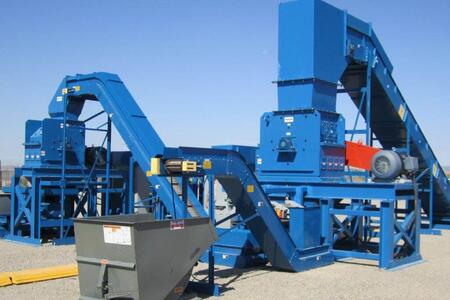
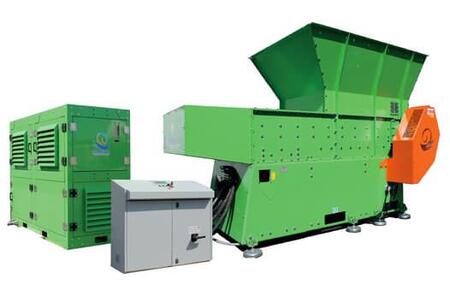
Reduction first. A pre-shredder opens up coils and reels into manageable lengths, then chopping takes the conductor down to a size where the steel core and the aluminum strands are no longer mechanically locked together. Where the feed includes heavier hardware, shredders and mills handle it first.
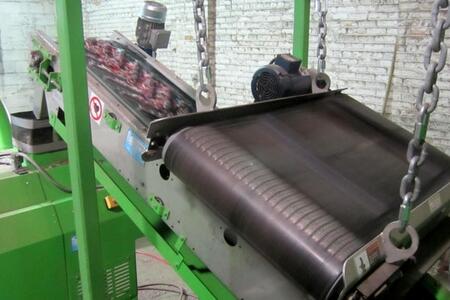
The sorting then does the heavy lifting. Magnetic separation takes the first cut, because the steel core is ferrous and the aluminum is not. That is the one thing ACSR makes easy, and a well-set magnetic stage recovers a clean steel fraction with very little aluminum carried over.
What follows is the fine sorting. Dry separation tables take out the remaining fines and any steel that escaped the magnet, lifting the aluminum to a grade a mill will pay properly for. The whole process is dry, so there are no wash systems, no water handling and no effluent.
What the hardware brings with it
ACSR rarely arrives clean. Insulators, clamps, splices, armor rods and the occasional length of guy wire come in with it, and most of that is neither aluminum nor the steel you want. Some of it is porcelain or glass, which is abrasive and does real damage downstream.
Taking it out early is cheaper than taking it out late. A line that removes hardware before reduction protects every stage after it, and it keeps the two product fractions from being downgraded by contamination that was never part of the conductor in the first place.
Purity decides the price
Aluminum contaminated with steel fines sells as a lower grade. The gap between a clean aluminum fraction and a contaminated one is substantial and it is determined entirely by the sorting stages rather than by how hard the material was chopped.
The steel side matters too. Clean galvanized steel core has its own market; steel mixed with aluminum is a nuisance fraction.
Where it sits alongside other work
Most operations running ACSR also run other wire, and the sorting stages carry across. The same floor space handles shredder wire, insulated copper cable and radiator separation, and ERS designs the line so the stages are shared where they can be and dedicated where they have to be.
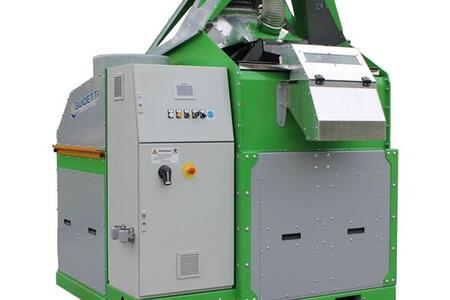
The Guidetti range covers the granulation and separation equipment, with Wire Pro configurations suited to mixed non-ferrous work. Material moves on conveyors or through pneumatic transport depending on the fraction.
Dust and wear
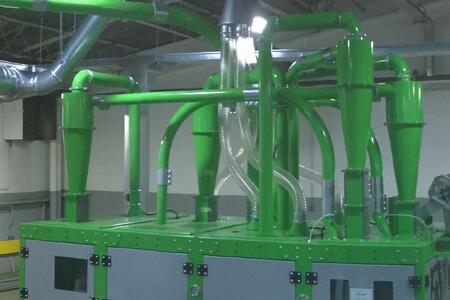
Chopping aluminum generates fine dust, and aluminum dust is combustible. Dust collection is engineered with the line rather than added afterwards, and where the dust load demands it, combustible dust filtration is specified from the start.
Steel core is hard on wear parts. Knives and screens are consumables on any wire line, and on ACSR they are consumed faster, so access and change time are designed in rather than discovered later.
How a project starts
With a sample. Conductor construction varies by era and by utility, and how cleanly it separates is difficult to predict from a drawing. Material can be run at the ERS test facility in Atlanta, and the recovery figures from that run are what the system is designed around.
Every line is installed, commissioned and supported by ERS, with spare parts and service from Atlanta. Where a yard also needs shears or balers, ERS supplies TAURUS scrap processing equipment alongside. Installed systems are written up under project news and system updates.
Tell us what your conductor looks like and what you need out of it : the contact form is the quickest route.
ACSR Wire

ACSR Shredded