


Systems for the processing and recycling of metals
Metal recycling systems from ERS are engineered to sort and recover high-value materials from copper wire, ASR, electronics, and industrial scrap, delivering clean separation, modular design, and long-term reliability.
How metal recycling systems pay for themselves
Recovered metal is worth what a buyer will pay for it, and a buyer pays for purity. An ERS system sorts cleanly enough that the output sells as a commodity rather than a discounted mixed grade, and that is where the return comes from. Processing material in-house also cuts what you pay to haul it away, removes a middleman from every load, and turns a disposal cost into a saleable product. Most of our customers justify the system on material revenue alone.
What ERS metal recycling systems recover
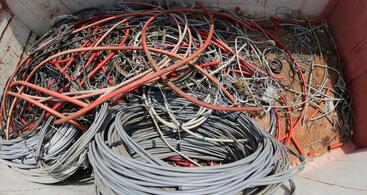
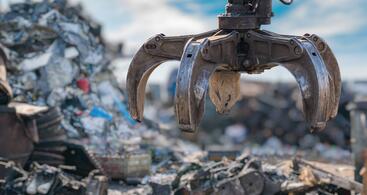
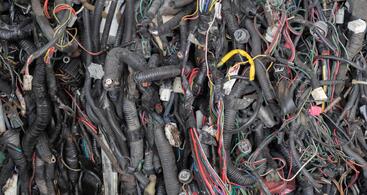
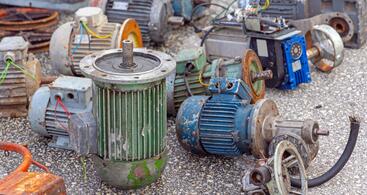
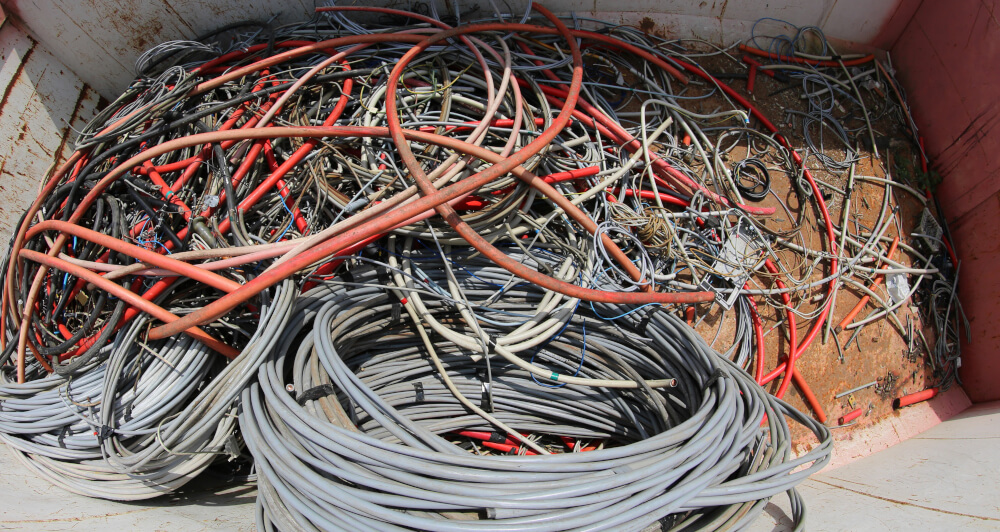
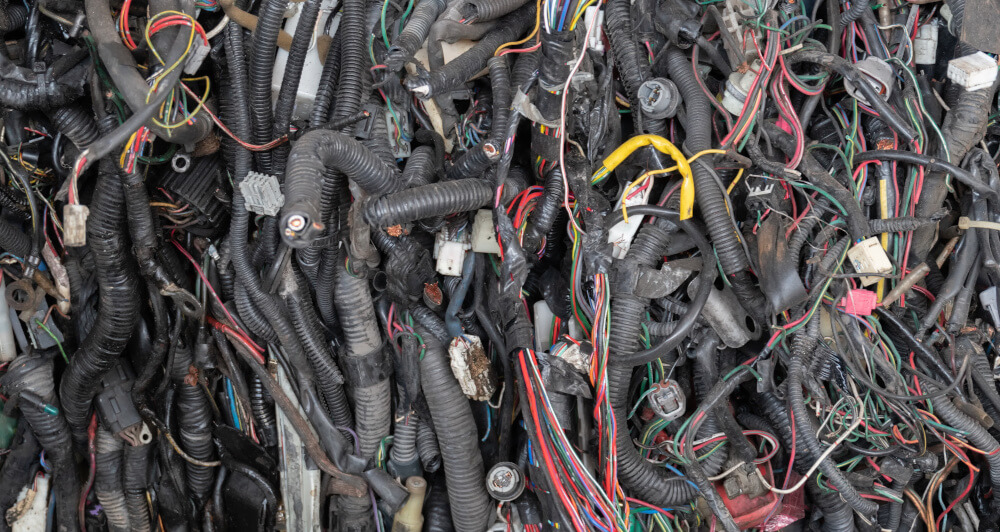
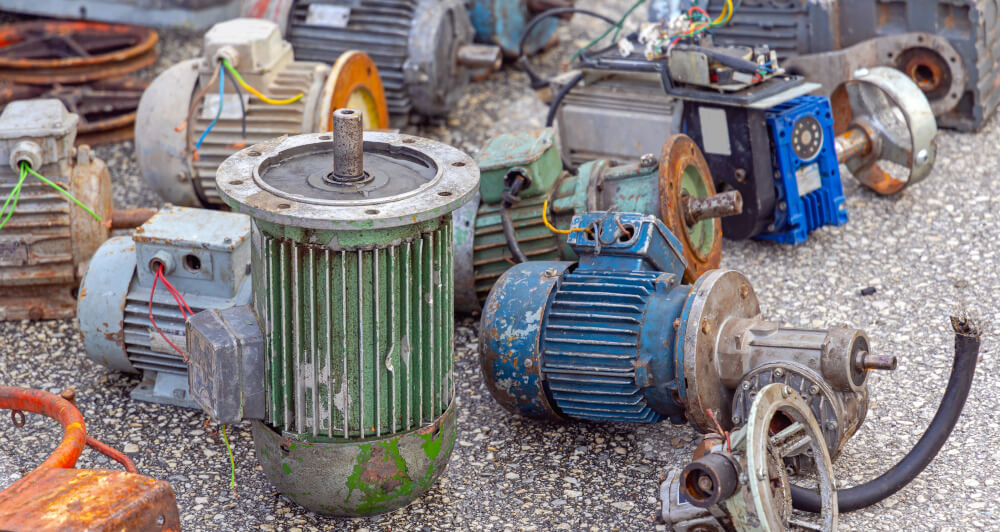
Every system starts with the material you actually have. ERS designs and installs lines for copper wire and cable, shredder wire, copper meatballs and electric motor scrap, ACSR wire, ASR and car fluff, and electronics and e-scrap, each engineered around that feedstock rather than adapted from a catalog.
Alongside those run HVAC coil and radiator work, ACR chopping, midlings and tailings recovery and, on the battery side, black mass and EV recycling systems.
Copper wire and cableShredder wireCopper meatballs and electric motor scrapACSR wireASR and car fluffElectronics and e-scrapHVAC coil and radiatorACR choppingMidlings and tailings recoveryBlack massEV recycling systems
The stages, and why the order matters
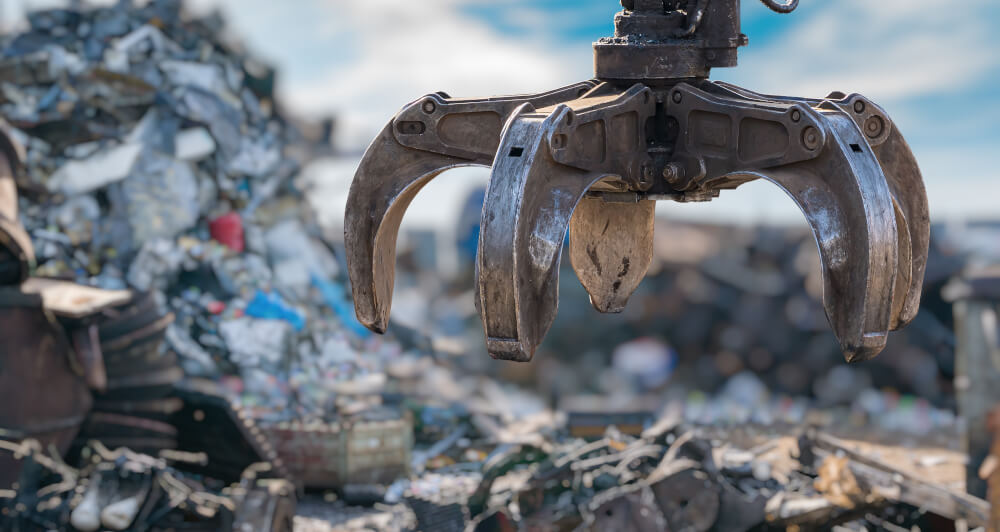
Pre-shredders open bulky and bound material. Shredders and mills size it and liberate the metals inside, and hammer mills finish the sizing where impact is the right tool.
Then the sorting begins: magnetic and eddy-current separation pulls the ferrous and non-ferrous apart, density separation sorts the fractions to the purity your buyers pay for, and advanced material separation handles the middlings the simpler stages leave behind.
Liberation decides recovery and sorting decides price. A stage out of order, or sized wrong, shows up as lost metal at the far end of the line rather than as a fault at the machine.
Moving material, and the air that moves it
Conveyors and pneumatic transport connect the sorting stages, and dust collection is designed in with the line rather than added once it runs. On metals the fines carry value as well as risk, so capture is a recovery question before it is a housekeeping one.
Industrial balers finish the recovered fractions into a product a buyer prices properly.
The equipment behind it
Equipment is chosen the same way the line is. Where a job calls for proven European granulation we specify Guidetti; where it calls for shears and balers, the TAURUS range. The full catalog sits under metals processing equipment and the wider picture under metals processing and scrap metal recycling systems.
What matters is that the line works as one system rather than a shelf of machines bought separately. That is the part a supplier cannot sell you and an integrator has to take responsibility for.
See it before you commit
Bring your material to the ERS test facility in Atlanta and we will run it. You get real numbers on your own feedstock instead of a projection, and on variable material that trial is usually what sets the final flowsheet.
After commissioning
The system stays ours to look after, spare parts and field service out of Atlanta for as long as you run it. Installed systems are written up under project news and system updates.
Next Steps for Your Metal Recycling System
Send your material, your throughput target and your floor plan through the contact form. Better still, send a sample and we will run it before anyone quotes anything.