


Magnetic Separation Recovering Metal and Protecting the Machine Behind It
ERS magnetic separation systems take ferrous and non-ferrous metal out of industrial scrap streams, either to recover it or to stop it reaching the machine behind. Five technologies, specified to the material rather than picked from a catalog. Engineered Recycling Systems designs, installs and supports them from Atlanta.
Two jobs, not one
Magnetic separation does two different things and plants tend to buy it for one and benefit from the other. The first is recovery: pulling saleable metal out of a mixed stream. The second is protection: taking tramp iron out before it reaches a granulator, a mill or a set of knives.
The protection case is usually the one that pays. A single piece of steel through a granulator can cost more in knives and downtime than the separator did, and it will happen again next month.
The five technologies
Cross belt separators hang over a conveyor and lift tramp iron and steel out of the passing stream. They suit material that is already moving on a belt and where the contamination is occasional rather than constant.
Drum magnets take the ferrous fraction out inline as material discharges, which suits a continuous stream with a consistent ferrous load rather than the odd stray piece.
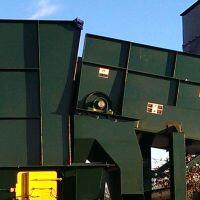
Head pulley magnets replace the conveyor's own pulley, so the separation happens at the discharge point with no extra equipment in the line. The simplest option where it fits.
High gauss magnets handle weakly magnetic and fine material that a standard field will not hold — work-hardened stainless fragments, fine steel, and anything a conventional magnet passes over.
Eddy current separators are the non-ferrous stage. A high-speed rotor induces a field that physically ejects aluminum, copper and brass out of a mixed stream, producing a clean fraction ready for resale or refining.
Choosing between them
Particle size, the volume of metal in the stream, the belt speed and what sits behind the separator. Those four decide it, and they are the questions ERS asks before naming a technology.
Getting it wrong is expensive in a quiet way: a separator sized for occasional tramp iron will be overwhelmed by a constant ferrous load, and one sized for a heavy load is money spent on a problem the plant does not have.
Burden depth is the detail most often missed. A magnet can only reach so far into a layer of material, so a stream piled too deep on the belt will carry metal straight past a separator that was correctly specified on every other count.
Where it sits in a line
Usually in more than one place. Ferrous extraction goes in early, before the pre-shredder or between it and the granulator, so the cutting stages are protected. Non-ferrous recovery goes later, once the material is sized and the fractions are liberated.
ERS integrates it with conveyors, dry separation tables and dust collection so the stages work as one line rather than as a row of machines.
Which streams need it
Cable recycling, where steel armoring and connectors have to come out before the granulator sees them. E-waste, which arrives with fixings, brackets and screening still attached.
ASR cleanup, where eddy current separation is the stage that makes the whole project work. And midlings and tailings, where it recovers what the primary line let through.
Build and control
Reinforced housings, sealed bearings and adjustable magnetic fields, built for continuous duty with minimal maintenance. The adjustable field matters more than it sounds — a separator that cannot be tuned will be run at one setting for materials that needed two.
Permanent and electromagnetic systems are both available. Permanent magnets need no power and no cooling; electromagnets give a stronger, switchable field. Which suits depends on duty cycle and on whether the material has to be released cleanly.
What it does for the rest of the plant
Removing metal early reduces wear on cutting components, prevents the kind of damage that stops a line for a day, and improves every separation stage downstream — because the stage behind is no longer trying to handle a contaminant it was not designed for.
Purity improves at the same time, and purity is what the buyer pays for. A fraction with tramp steel in it is discounted whatever the headline recovery rate says.
There is a safety argument as well. Steel entering a high-speed rotor is how a machine throws something, and the separator that prevents it is doing more than protecting knives.
How a project starts
With the material and with what is going wrong now. ERS looks at where metal is entering the stream, what it is doing to the machines behind it, and what the recoverable fraction is worth.
Material can be run at the ERS test facility in Atlanta before anything is specified. Every system ERS supplies is installed, commissioned and supported by ERS, with spare parts and service from Atlanta, alongside the rest of the ERS metals processing lineup.
Talk to ERS about what is getting through and what it is costing you.
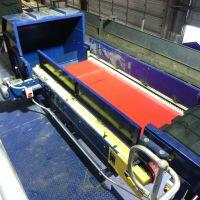
Eddy Current Separator
Used primarily with non-ferrous aluminum metals, our eddy-current separators are proven to cut aluminum loss and labor costs associated with sorters
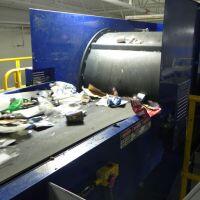
Drum Magnet
Designed to efficiently and cost effectively remove large and small pieces of ferrous materials from material processing lines.
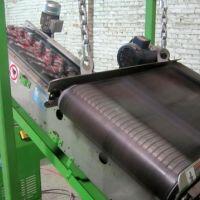
Cross Belt Magnet
Designed to pull ferrous and tramp metals from your recycling lines and any other conveyor configurations where metals need to be extracted
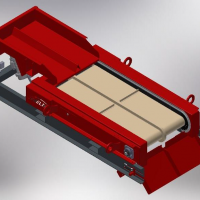
High Gauss Magnet
Our overhead self-cleaning, stationary and permanent high-gauss magnets are designed to pull ferrous and tramp metals from your recycling lines and any other conveyor configurations where metals need to be extracted.
Head Pulley Magnet
Available in numerous sizes, widths, diameters and magnet types, our head-pulley magnets can be designed to fit your specific application requirements.