


Conveyor Systems for Efficient Scrap Material Transport
Conveyor systems are what turn a collection of machines into a line. Engineered Recycling Systems designs and installs them from Atlanta — sized to the material, the throughput and the building, not picked off a length chart.
Why the conveyor decides the line
Every transfer point is a place where material can jam, spill, degrade or stop. A line is only as reliable as the conveyors between its stages, and in most plants that is where the downtime actually accumulates rather than in the machines themselves.
It is also where throughput is quietly lost. A shredder rated for twenty tons an hour fed by a conveyor sized for twelve is a twelve-ton line, whatever the nameplate says.
Belt types and what they suit
Flat belt for horizontal runs and light to medium material. Cleated belt where the incline is steep enough that material would otherwise roll back — and in a recycling plant the incline is usually set by where the next machine has to sit, not by what the belt would prefer.
Steel belt and steel apron for heavy, sharp, hot or abrasive material that would destroy rubber. Shredded ferrous, foundry returns and anything coming off a hammer mill usually calls for steel.
Vibratory and pan feeders where the job is metering rather than transporting — feeding a single-shaft shredder or a baler at a steady rate instead of in surges.
Chain edge and slider bed
Chain edge conveyors carry heavy, irregular loads where a flat belt would deform or track off. Slider bed conveyors run the belt over a solid plate rather than rollers, which suits fine or sticky material that would pack into a roller set.
Neither is better than the other in the abstract. The choice follows from the material, and getting it wrong shows up as tracking problems and belt wear within months rather than years.
Walking floors and live bottoms
Where material has to be stored and metered out rather than moved continuously, a walking floor or live bottom does the job a belt cannot. Trailers unload into it, the floor advances the material at a controlled rate, and the stage behind it sees a steady feed instead of a tipped load.
That matters most at the front of a line. Reduction equipment fed in surges runs hot, draws peak current and wears unevenly; fed steadily it runs at its rated throughput. On many plants a feeder pays for itself in knife life alone.
Where conveyors sit in an ERS line
Infeed to the first reduction stage, whether that is a pre-shredder or a Tritone shredder. Between reduction and milling. Under magnetic separation and density stages, where belt speed directly affects how well the separation works.
And at the discharge end, feeding a baler or a briquette press so the finished fraction leaves as a product rather than a pile.
Where material is light, fine or airborne, ductwork does the job better than a belt. Pneumatic transport handles those fractions, and in a converting plant it handles nearly all of them.
What decides the specification
Material density, particle size and abrasiveness. Tons per hour at peak rather than average. The incline, which is usually fixed by the building. Belt width against the largest piece that will realistically arrive, not the largest piece in the specification.
And headroom. In most retrofits the ceiling decides the conveyor, and the conveyor then decides where every machine can stand.
Dust and spillage
Transfer points are where dust escapes. Enclosed transfers, skirting and hoods are designed with the conveyor rather than bolted on after the first clean-up, and the capture ties back into the plant's dust collection.
Spillage is the other half. A belt that spills a small amount at every transfer, every shift, becomes a permanent labor cost that nobody put in the business case.
Built for the plant it goes into
Almost no conveyor ERS installs goes into an empty building. It goes into a plant that is running, around equipment that is already there, often during a shutdown measured in days. That constraint shapes the design as much as the material does.
Structures are built to carry the load and to be accessible for belt changes and roller replacement, because a conveyor that is awkward to service is one that gets serviced late and fails early.
How a project starts
With the layout and the material. ERS looks at what is being moved, how much of it, between which machines, and what the building allows. Material can be run at the ERS test facility in Atlanta where there is doubt about how it will behave on a belt.
Every system is installed, commissioned and supported by ERS, with spare parts and service from Atlanta. Belts, rollers and bearings are wear items and they are stocked. Where a project also needs shears or balers, ERS supplies TAURUS scrap processing equipment alongside.
Talk to ERS about what you are moving and where it has to go.
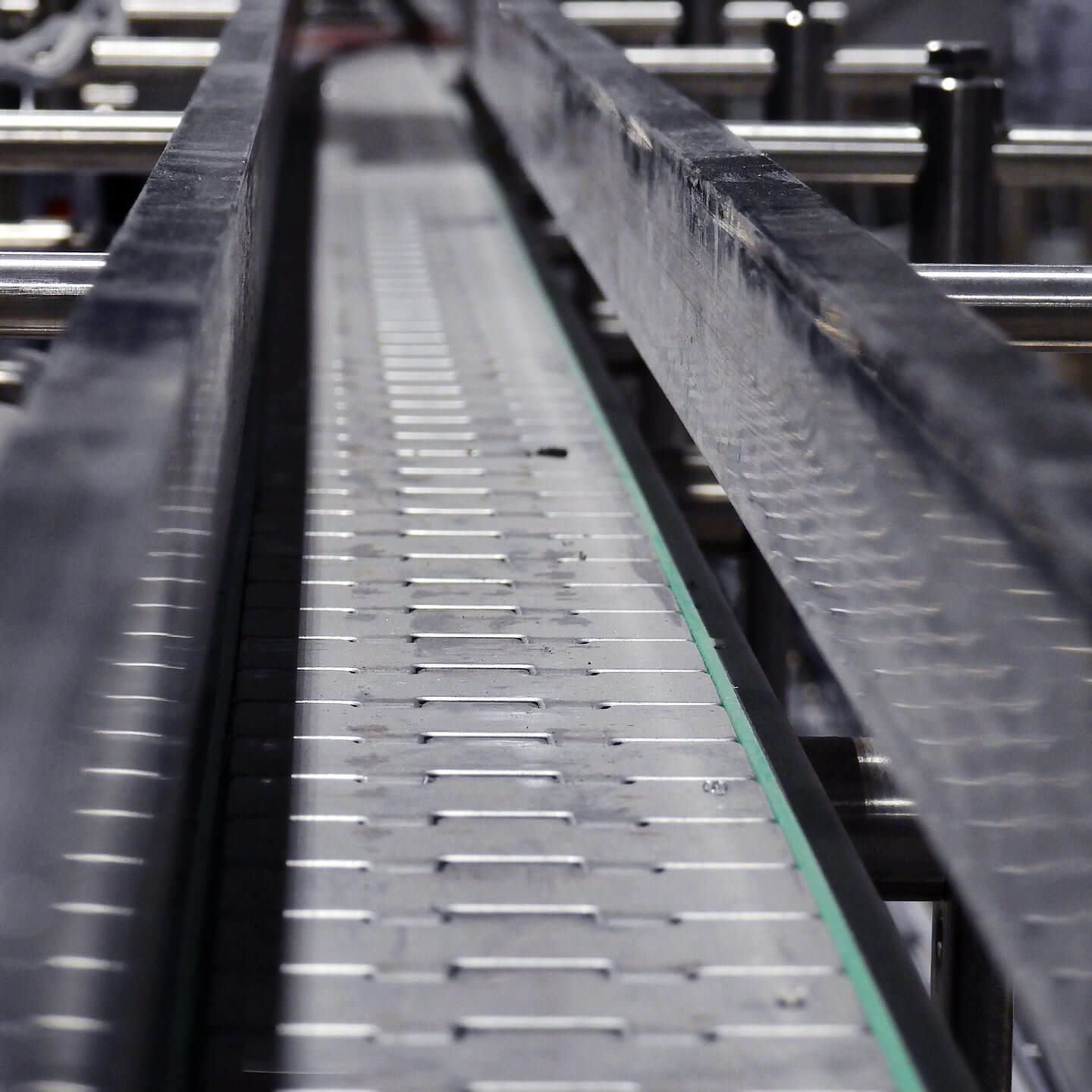
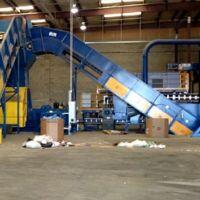
Chain Edge Conveyor
Our chain-edge conveyors feature a heavy-duty roller chain ideal for conveying multiple recyclables for heavy-duty applications.
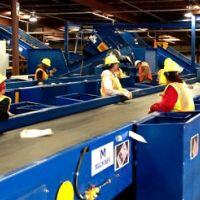
Slider Bed Conveyor
From light-duty slider beds to heavy-duty sorting, material handling and recycling - our slider bed conveyors can be designed for a number of different belt configurations.
Trougher
Capable of conveying bulk materials at high speeds, while maintaining maximum efficiency.
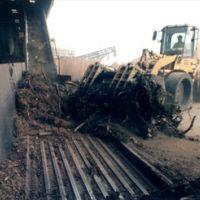
Walking Floor Conveyor
Designed for storing, receiving and metering heavy-duty materials our walking floor conveyors can be configured to any application.
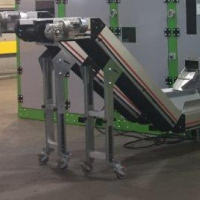
Material Handling Conveyors
Multiple configurations to improve material handling efficiencies.