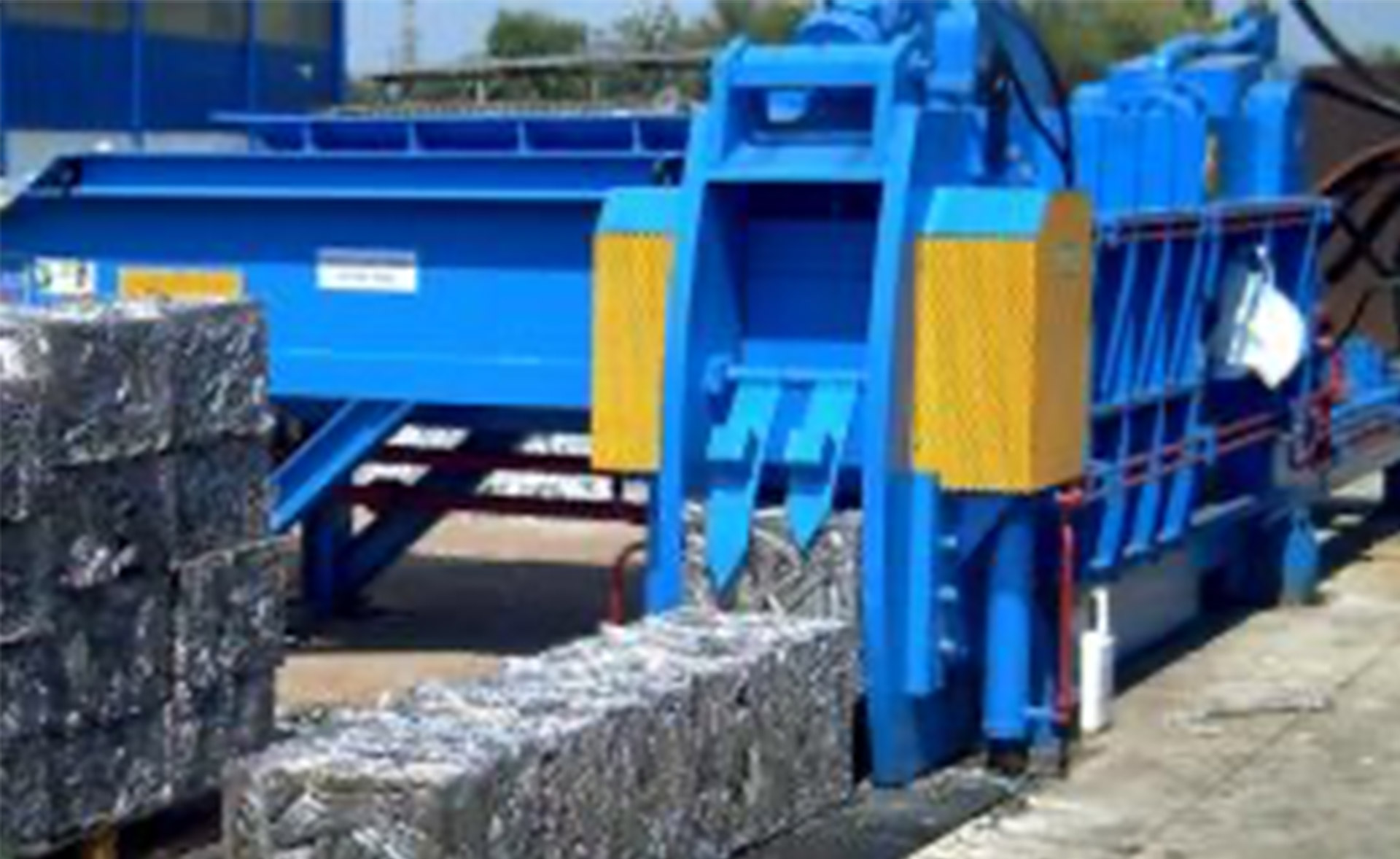
Balers for Metals and Paper Converting
Industrial balers turn loose scrap into a dense, stackable, saleable bale. That is the whole economic case: loose material ties up floor space, costs money to handle and is worth less when it finally leaves. Baled material ships efficiently and sells at a better price.
Engineered Recycling Systems supplies the full range from Atlanta and, more usefully, specifies the baler against the rest of the line rather than on its own. A baler that outruns what feeds it is money standing still; one that cannot keep up becomes the bottleneck for the whole plant.
Choosing between them
Horizontal balers are the workhorse where volume and automation matter. Auto tie and manual tie, wide mouth for oversized material and small mouth where the layout is tight. These run continuously and are built for plants that bale all shift rather than in batches.
Two-ram balers give larger charge boxes and higher throughput, which is what bulky OCC and non-ferrous metals need. The second ram ejects while the first compresses, so the cycle never waits.
Which one fits is decided by the material, the tons per hour and the building, not by a preference. ERS works that out before quoting.
Where the baler sits
On the metals side, the baler is the last stage after shredding and separation, taking the sorted fraction and making it into a product. Conveyor systems feed it, and where shears are part of the job ERS supplies TAURUS scrap processing equipment alongside.
On the converting side it is the end of the trim removal system. Trim is captured at the die cutter or slitter, carried through ductwork, separated from the airstream and dropped straight into the baler. In a corrugated plant that loop is the difference between a clean floor and a permanent housekeeping problem.
Where the waste is dust or shavings rather than sheet, a briquette press does the equivalent job, and dust collection handles what neither captures.
What decides the specification
Material density and how it arrives. Required bale size and weight, which is usually set by the mill or broker buying it. Throughput at peak, not average. Available floor space and ceiling height. Whether material is fed by hand, by conveyor or pneumatically.
Material can be run at the ERS test facility in Atlanta where there is doubt about how it will bale, which is common with mixed or unusually light material.
Every ERS baler is installed, commissioned and supported by ERS, with spare parts and service from Atlanta. Talk to ERS about what you are baling and what the bale has to look like.
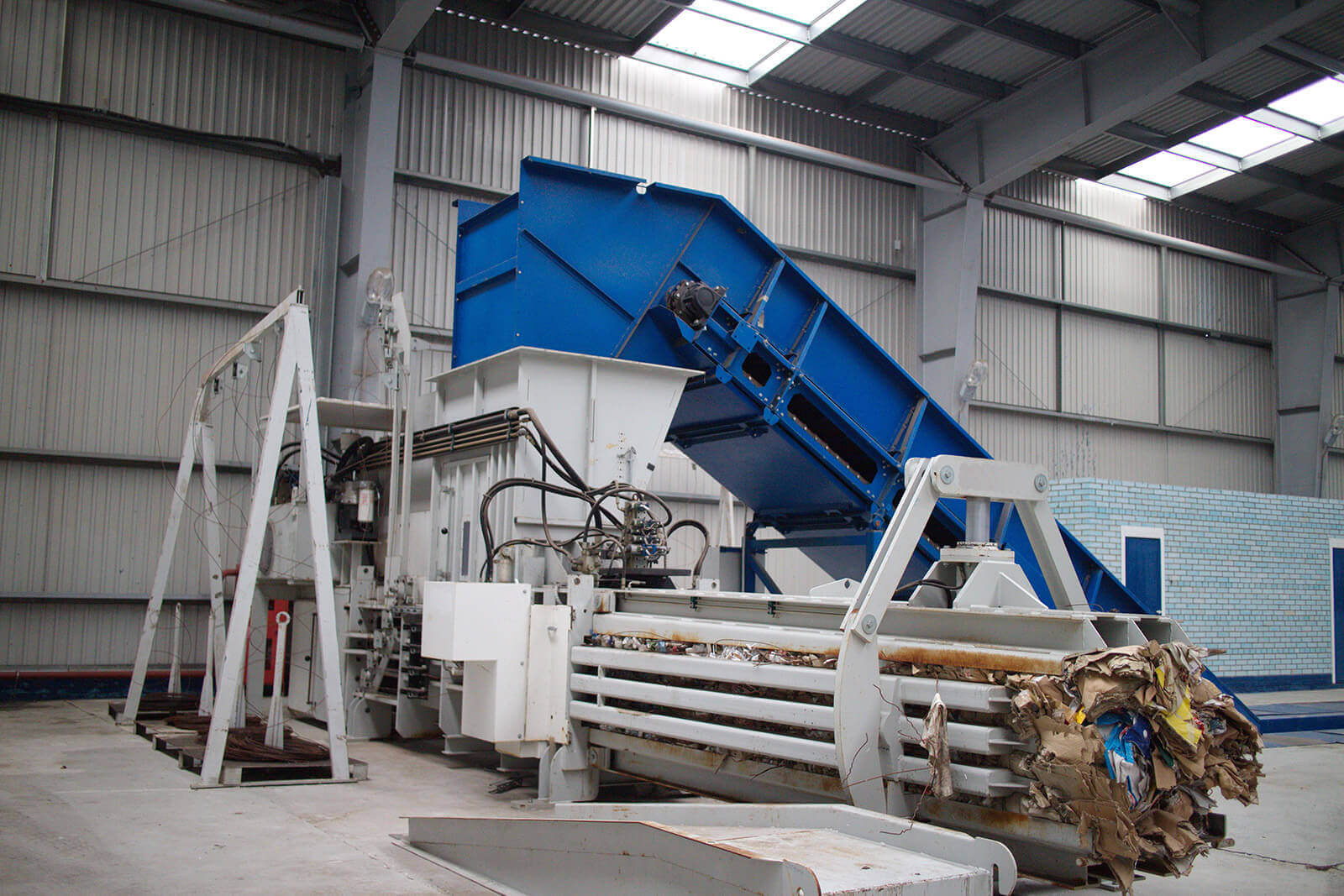
2-Ram Narrow Box Baler
Narrow box 2 Ram balers combine the versatility and workhorse capabilities of of a 2 ram-style machine, but at a lower cost than wide box models.
Narrow box 2 Ram Balers are an excellent selection for smaller producers that require the versatility of a 2-Ram style machine, but lack the volume of material to justify the additional cost of a wide box.
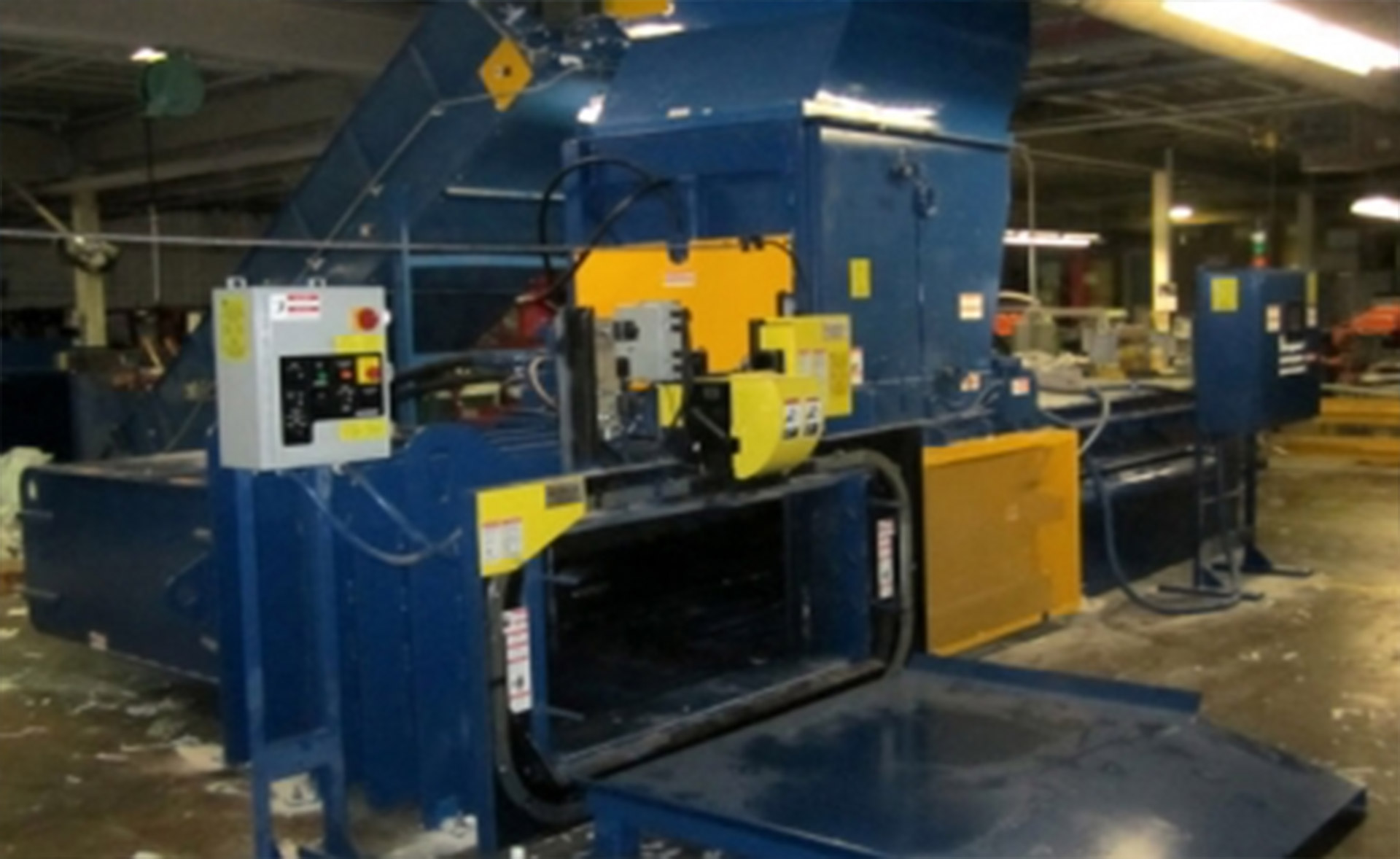
2-Ram Wide Box Baler
The larger frame of a wide-box baler offers a larger capacity charge box and an increase in thru-put.
The larger frame of a wide-box baler is popular because the larger capacity charge box correlates to an increase in thru-put. These wider openings are also chosen for processing larger more bulky items such as oversize OCC or Non-Ferrous Metals.
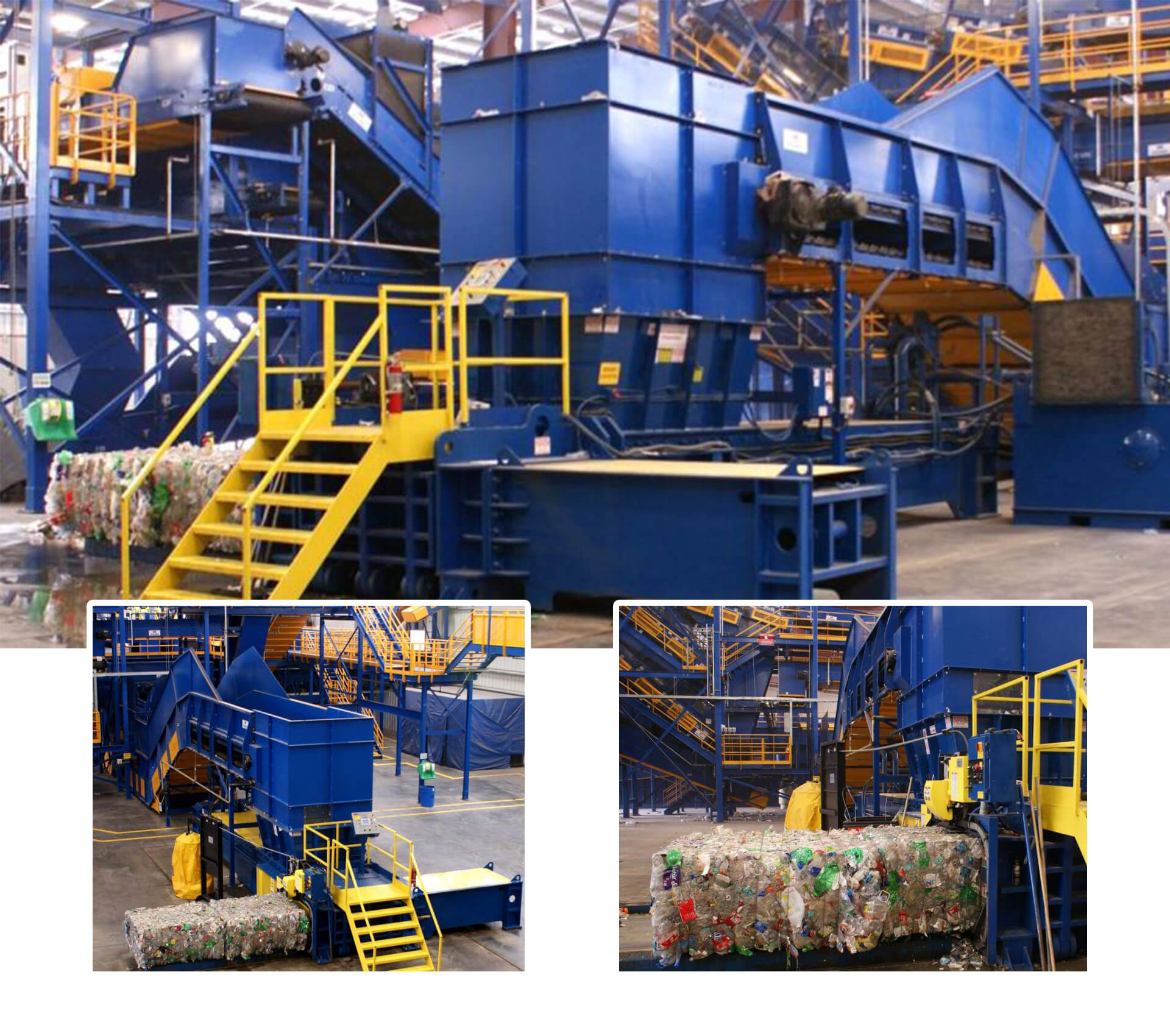
Horizontal Auto Tie Wide Mouth Baler
Horizontal Auto Tie Wide Mouth Baler are ideal for larger facilities like distribution centers, warehouses, industrial plants and recycling facilities that require the increased power to process multiple bails per hour at maximum efficiency.
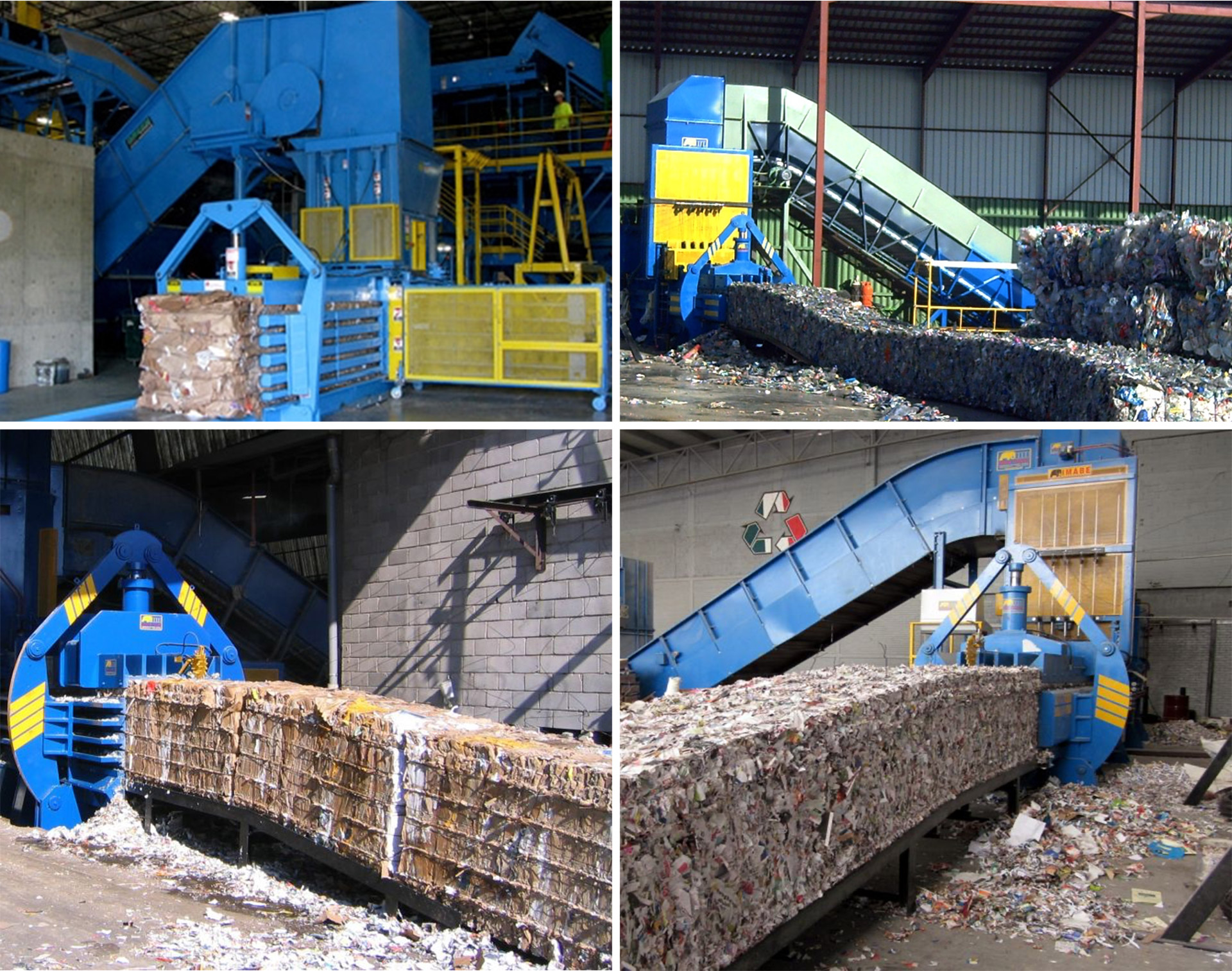
Horizontal Auto Tie Small Mouth Baler
Horizontal Auto Tie Small Mouth Baler are ideal for larger facilities like distribution centers, warehouses, industrial plants and recycling facilities that require the increased power to process multiple bails per hour at maximum efficiency.
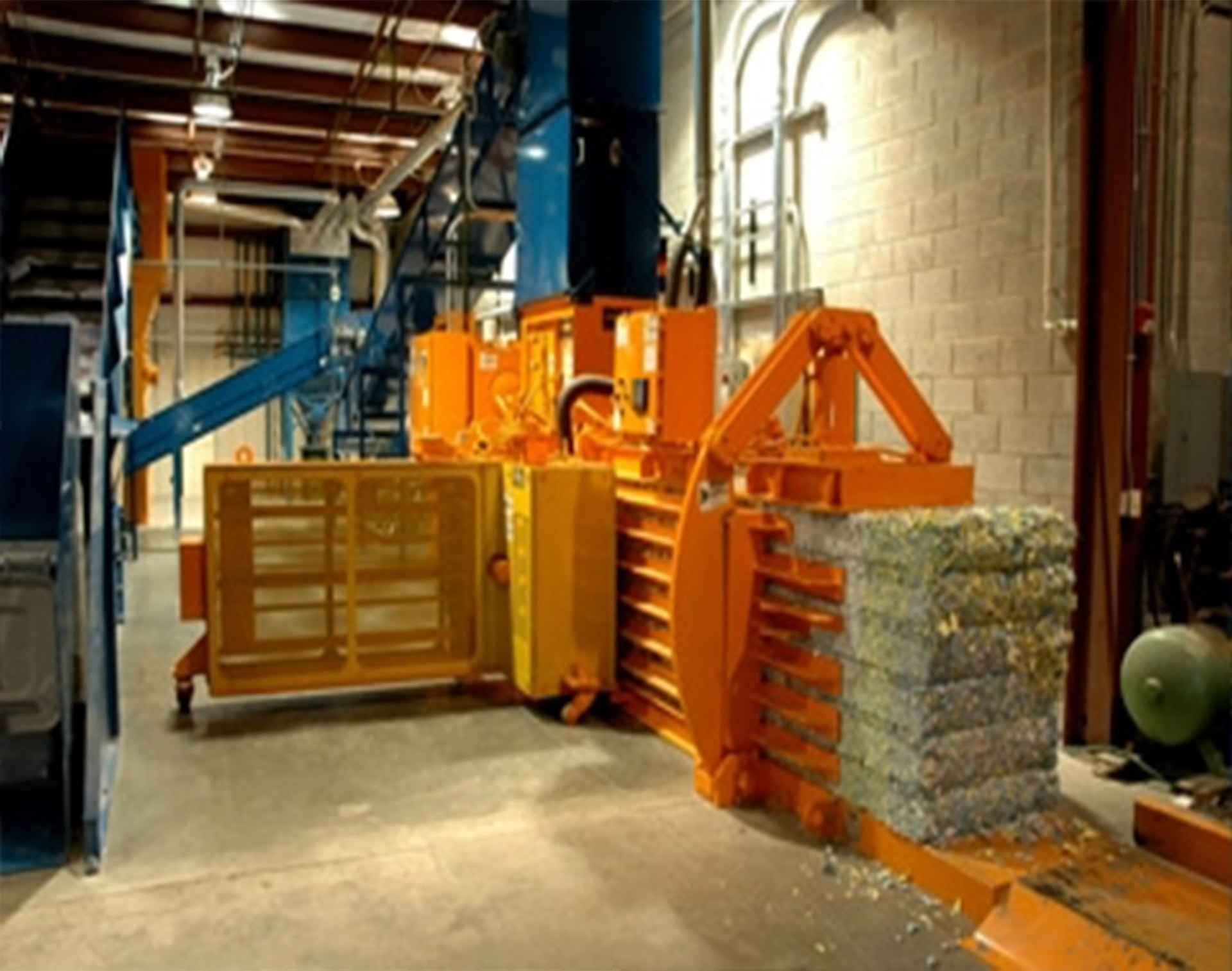
Horizontal Manual Tie Wide Mouth Baler
If your application requires a large feed opening for oversized material, but your volume doesn't justify the extra cost of an auto-tie, our manual-tie balers handle several materials, baling slip sheets, set-up boxes and flattened corrugated boxes.
For additional spec sheets and information on other horizontal manual tie wide-mouth baler models, including our line of used and reconditioned products.
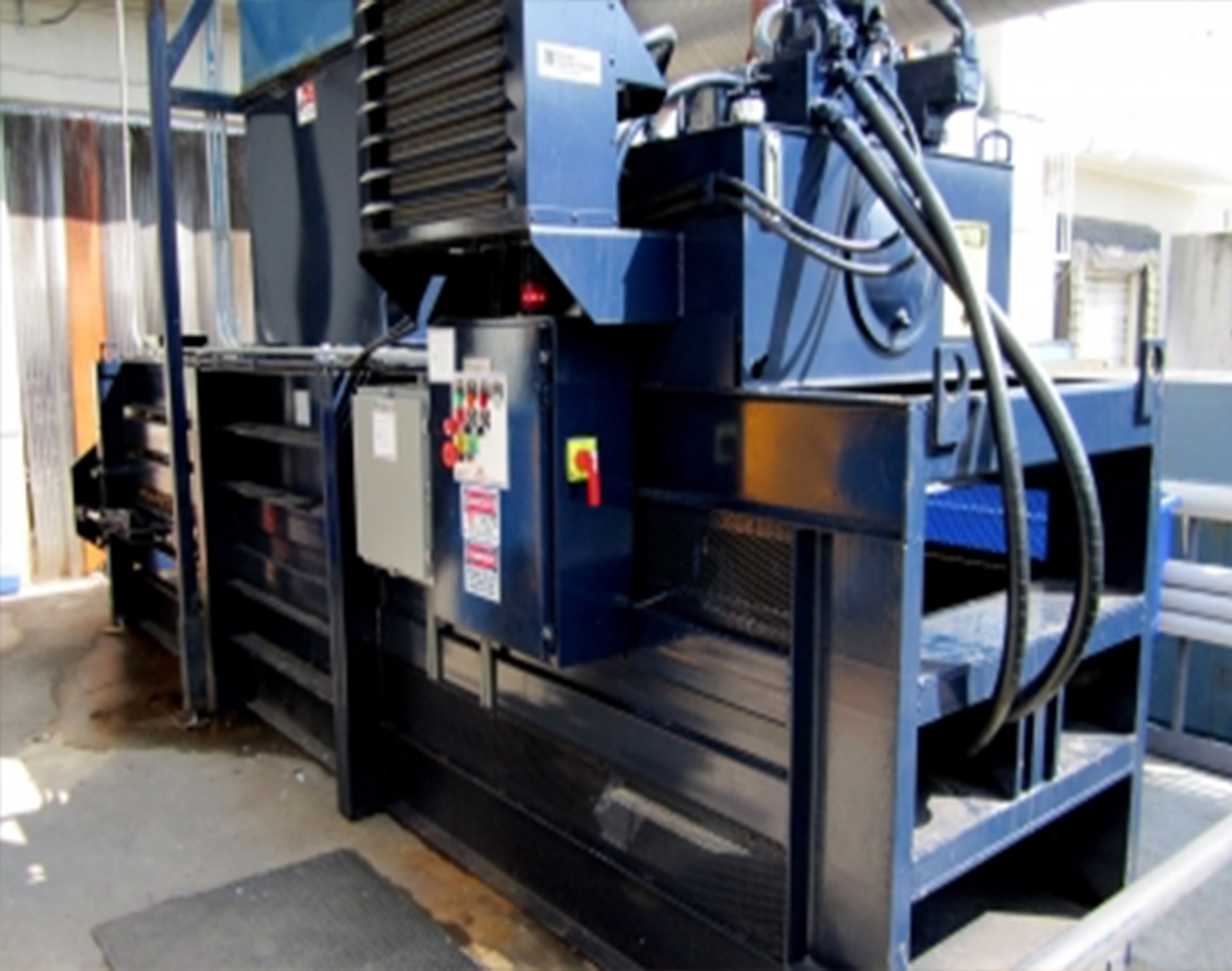
Horizontal Manual Tie Small Mouth Baler
Our small mouth manual tie balers suit lower production rates and smaller balable materials. Commonly used with small trim systems, ERS small mouth manual tie systems can be designed to fit the size and power requirements of your operation.
For additional spec sheets and information on other horizontal manual tie small mouth baler models, including our line of used and reconditioned products.
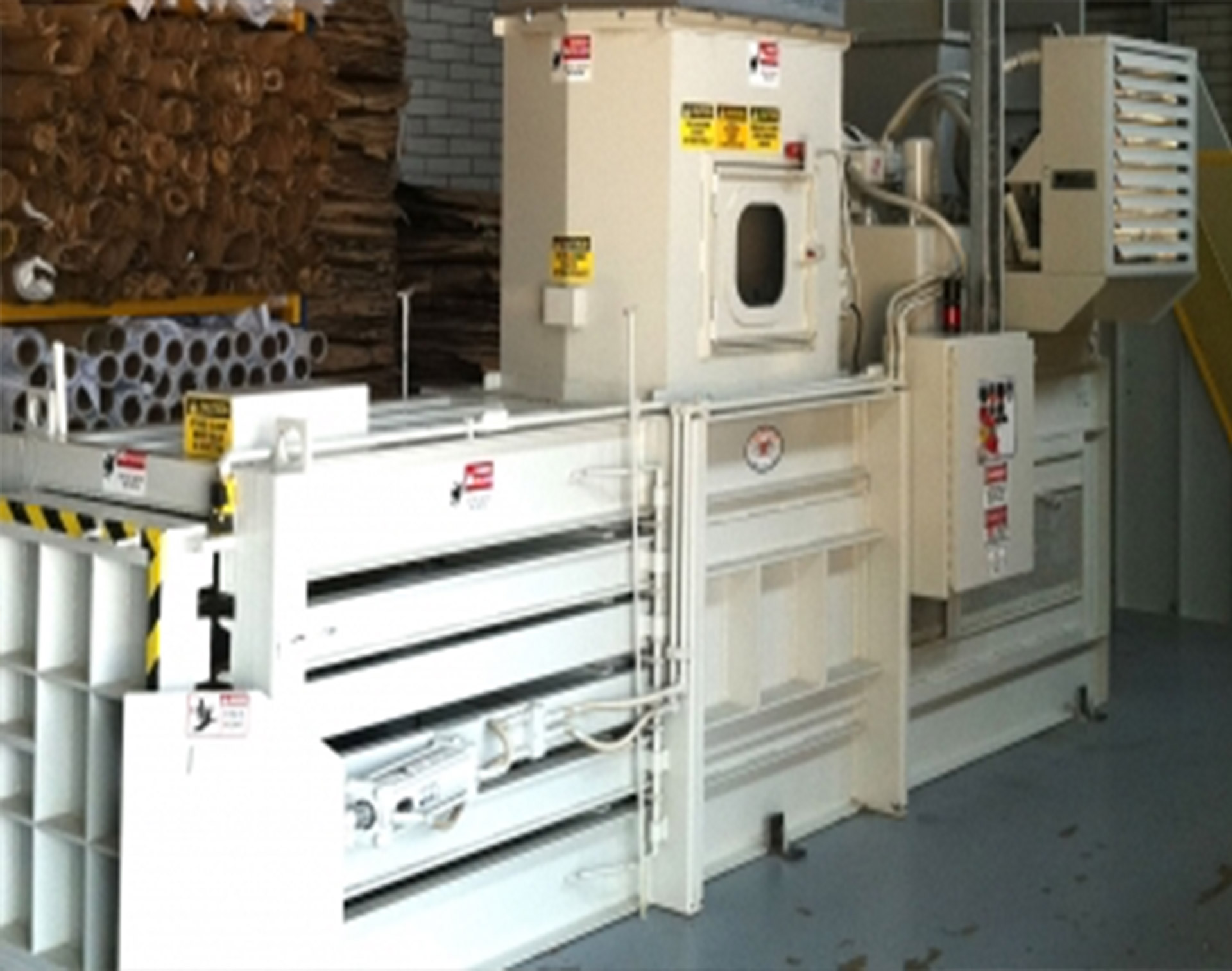
Horizontal Manual Tie Full Eject Balers
For a baler that allows the complete ejection of the finished bale and can process multiple materials, our horizontal manual tie balers are designed to prevent cross-contamination of products in small to medium-sized baling applications.
For additional spec sheets and information on other horizontal manual tie full eject baler models, including our line of used and reconditioned products.
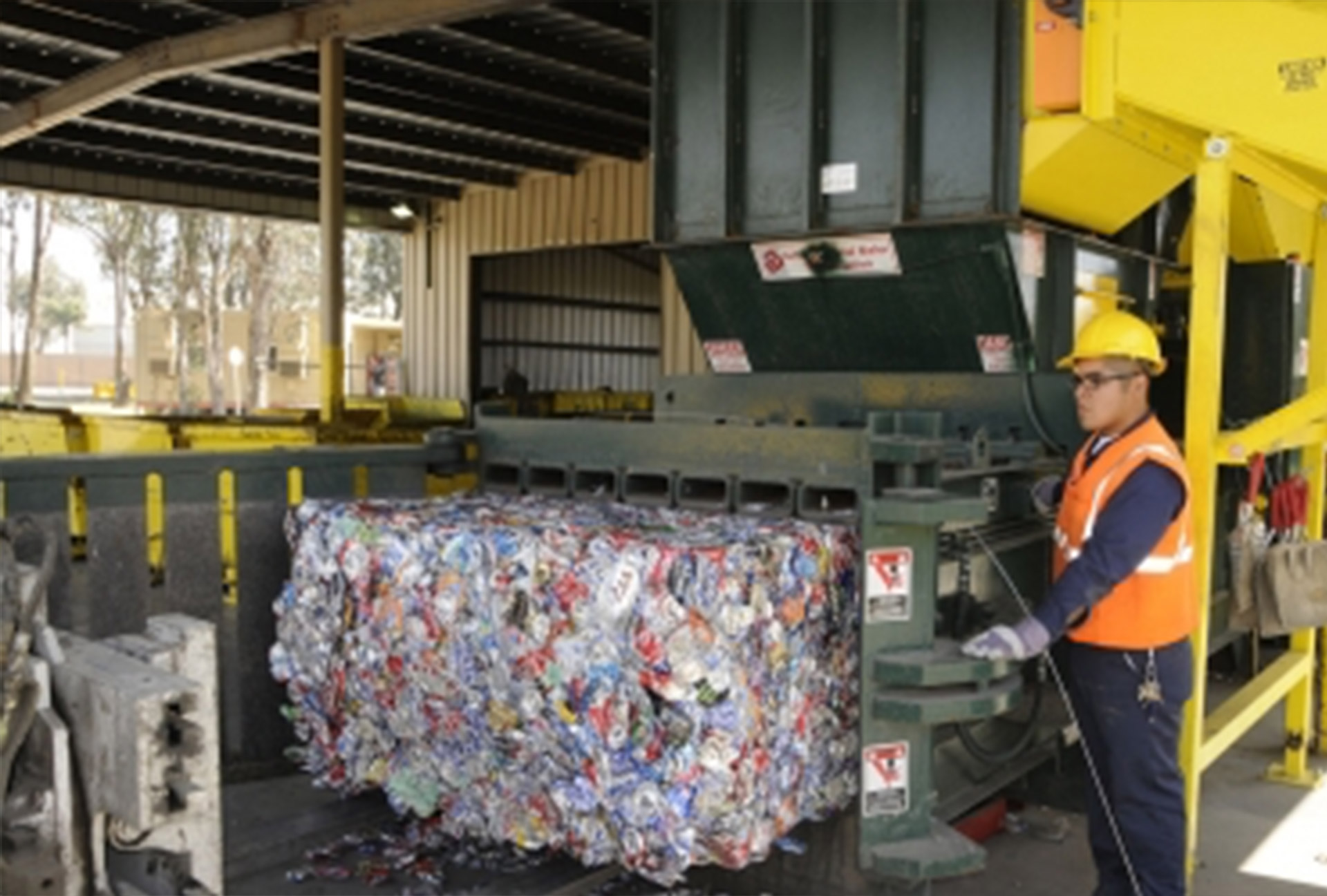
3-Ram Balers
3-Ram Balers are ideal for general ferrous or non-ferrous scrap.
Used for baling non-ferrous and ferrous metals, our 3-Ram balers are designed specifically for the scrap metal industries, while our smaller 3-Rams are engineered to accommodate smaller-scale steel and aluminum can baling.
For additional spec sheets and information on other 3-Ram baler models, including our line of used and reconditioned products.