


CCM® FILTER
ERS Equipment for Recycling, Scrap Handling and Dust Collection
Industrial recycling and dust collection equipment from Engineered Recycling Systems is built into complete lines, not sold off a list. Every stage is chosen against the material that will actually run through it, and the pieces are specified together, because that is the only way a line balances.
Two halves of the business, equal in weight. Metals processing for scrap yards, shredder operations and metal recovery plants. Trim removal and dust collection for corrugated, tissue, paperboard and converting plants.
Size reduction
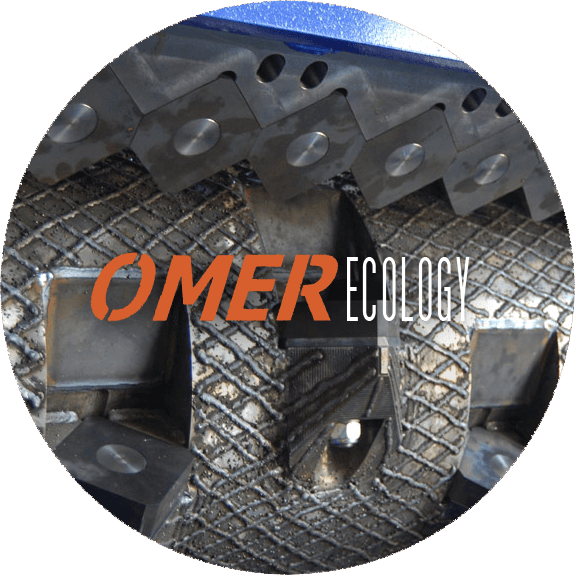
Shredders are the first stage of almost every line. Single-shaft shredders cut against a fixed blade through a perforated screen for a consistent fragment. Tritone industrial shredders bring high torque for heavy cable and bulky scrap. Two-shaft shredders tear at low speed where a single rotor would jam, and PMG pre-shredders open up bulky loads before a granulator sees them.
Industrial mills do the work behind the shredder. Hammer mills grind hard and brittle material to a specification; turbo and vertical mills ball material to delaminate laminated scrap, coated wire and composite fractions that impact grinding leaves bonded.
Separation and recovery
Reduction only matters if the separation behind it works. Magnetic separation pulls the ferrous fraction, density and eddy current stages take the rest, and dry separation tables handle the fine material where wet systems would once have been the only option.
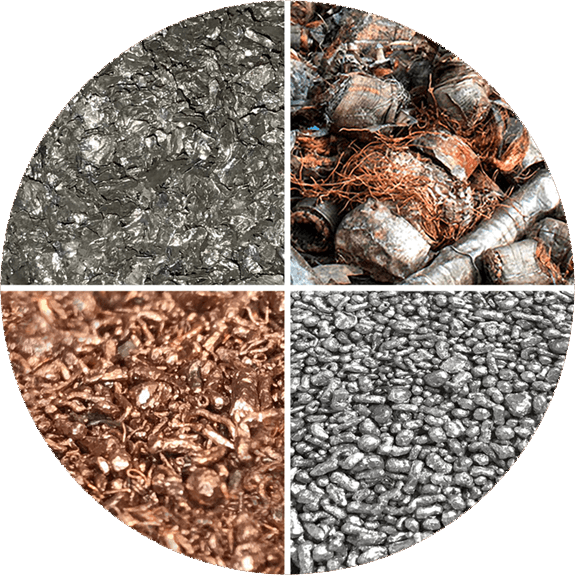
The Guidetti range covers cable and wire recovery end to end — granulation, separation and the recovery of copper from plastic tailings that most lines send to landfill. Large-scale wire chopping handles the volumes a shredder operation generates, and in-house wire scrap recovery lets a manufacturer process its own offcuts rather than selling them at scrap value.
Baling and compaction
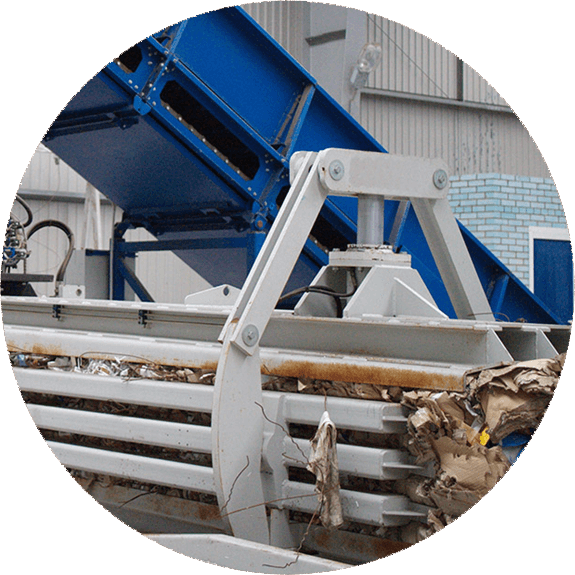
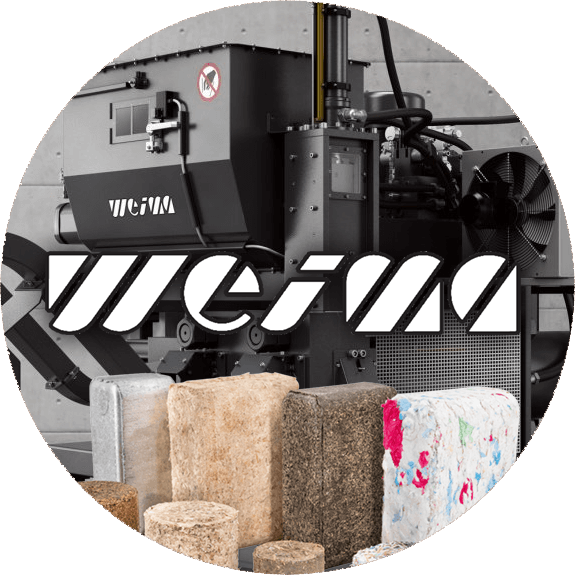
Industrial balers turn loose scrap into a dense, transportable, saleable bale. Two-ram, horizontal auto tie and manual tie configurations, sized to the throughput and to how the material arrives. Briquette presses do the same job for dust, chips and shavings, compacting what would otherwise be handled loose.
Where the project calls for shears, ERS supplies TAURUS scrap processing equipment — inclined shears, shear balers and mobile units.
Transport and collection
Material has to move between stages, and how it moves decides how much of the plant stays clean. Conveyor systems for mechanical transfer. Pneumatic transport where ductwork is better than belts, which in a converting plant is almost always.
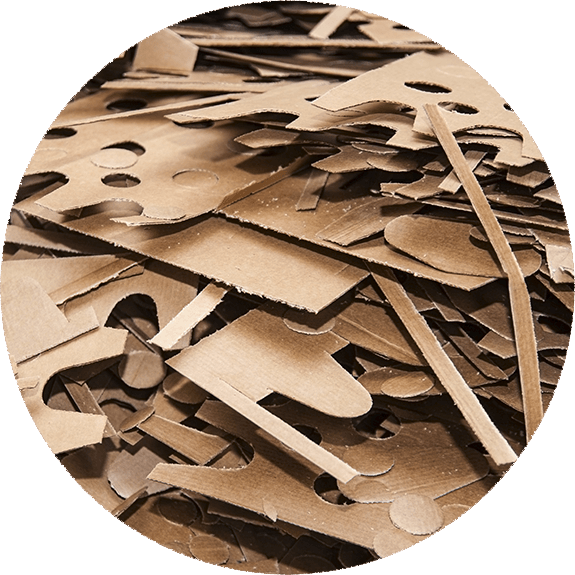
In converting, the collection side is the system: trim is captured at the die cutter or the slitter, carried through ductwork, separated and baled, and none of it touches the floor. Pickup hoods, duct risers, blast gates and air veyors are engineered for the line they serve rather than assembled from stock parts.
Dust collection and filtration
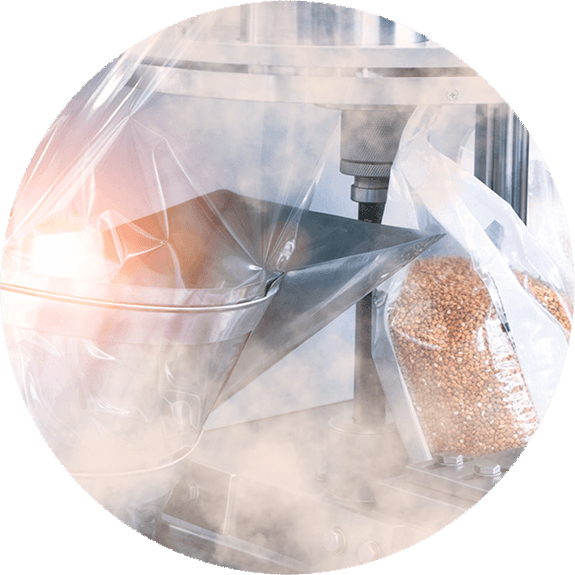
Dust collection is not an accessory fitted at the end. It is designed with the line, because retrofitting capture into a running plant is always harder and more expensive than engineering it in.
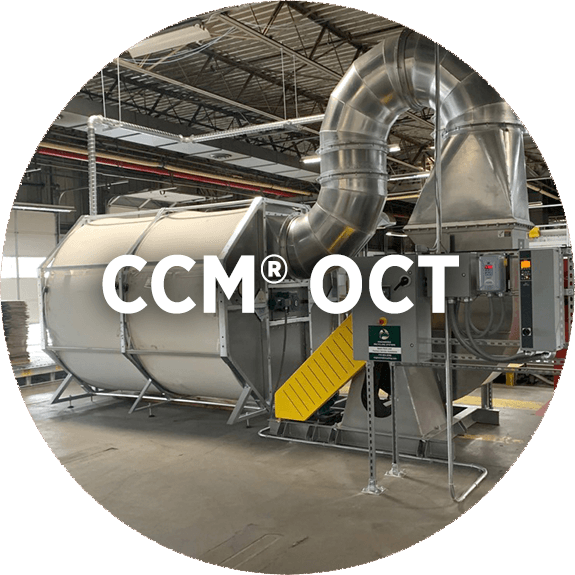
The CCM® OCT filter system is ERS's own, patented, and cleans itself while the filter keeps running. Cyclone separators drop the heavy fraction before it reaches the filter. The Low Profile Separator does the same where headroom is the constraint. Where the material demands it, combustible dust filtration is specified from the start rather than argued about later.
Filter media changes on a CCM® take minutes per panel and need no tools, which matters more over ten years than any figure on a data sheet. A filter that is awkward to service gets serviced late.
The applications that shape the specification
Electronics recycling and PCB recovery. ASR and car fluff. Insulated copper wire and cable. Battery recycling. Radiator separation and ACSR wire. On the converting side, corrugated plants, paper mills, tissue converting and label production.
Each puts a different demand on the same equipment list, which is why the assessment comes before the quotation rather than after it. The same shredder feeding two different separation trains is two different machines in practice.
How a project starts
With your material. ERS looks at what you process, in what volume, what has to be recovered and the building it has to fit inside. Material can be run at the ERS test facility in Atlanta before anything is specified, so the line is designed on your scrap rather than on a published figure.
Everything ERS supplies is installed, commissioned and supported by ERS, with spare parts and service from Atlanta. Wear parts are stocked, and the people who engineered the line are the ones who come back to it.
Talk to ERS about what you are processing and what has to come out of it.
Metals Processing
Systems
Trim Removal
Systems
Dust Control
Systems
Baling
Systems
Guidetti Recycling Equipment
Omer Tritone
Shredders
Weima Briquetting
Machines
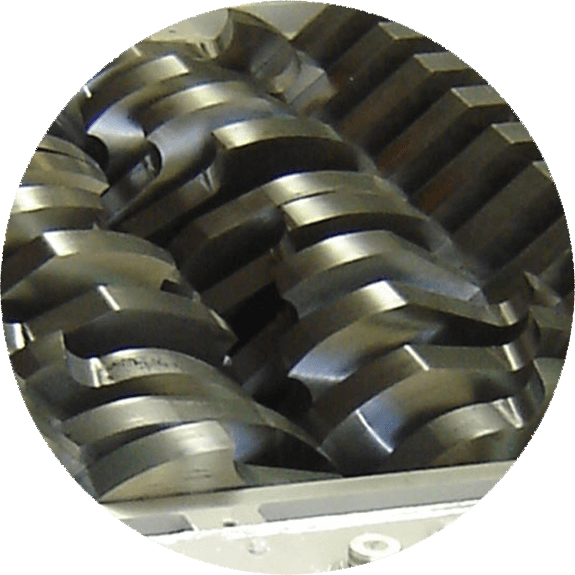
Shredders for
Metals Recycling
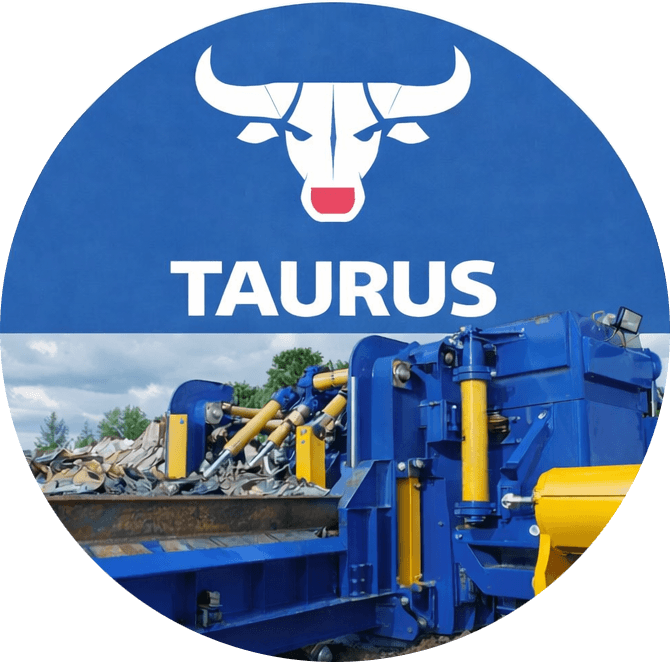
TAURUS Scrap Processing Equipment