Single Shaft
Shredders
The all-rounders for any application!
ERS Shredders for Scrap, Batteries and Mixed Waste
Shredders for metals recycling are the first stage of almost every line Engineered Recycling Systems builds. Before anything can be sorted, separated or sold, it has to be reduced to a size the rest of the plant can handle. That is what a shredder does, and getting it wrong at this stage limits everything downstream no matter how good the separation equipment is.
Choosing the right shredder
There is no single best shredder, only the right one for the feed. ERS supplies four families, and which one fits is decided by what the material is, how big it arrives and how hard it resists being cut.
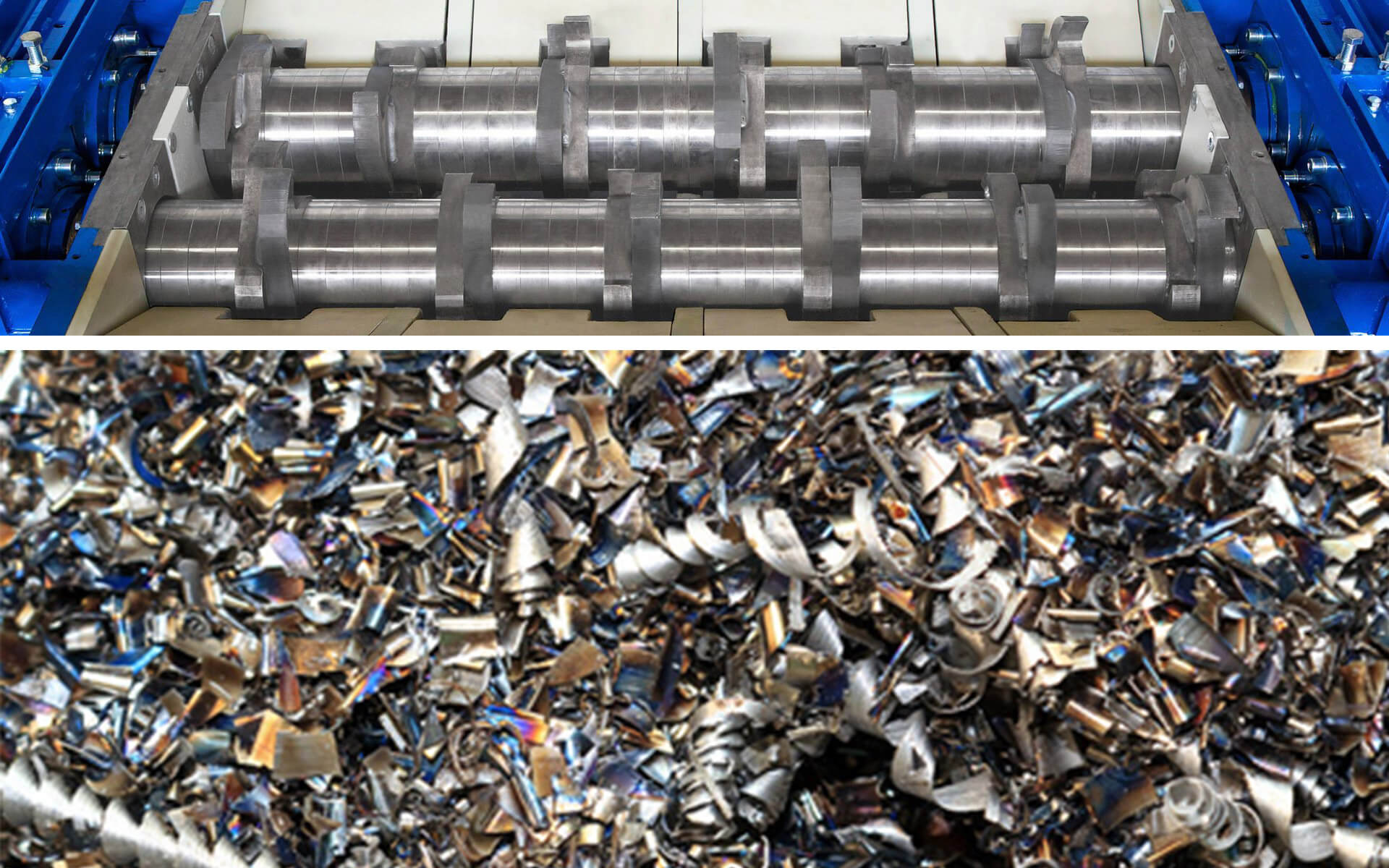
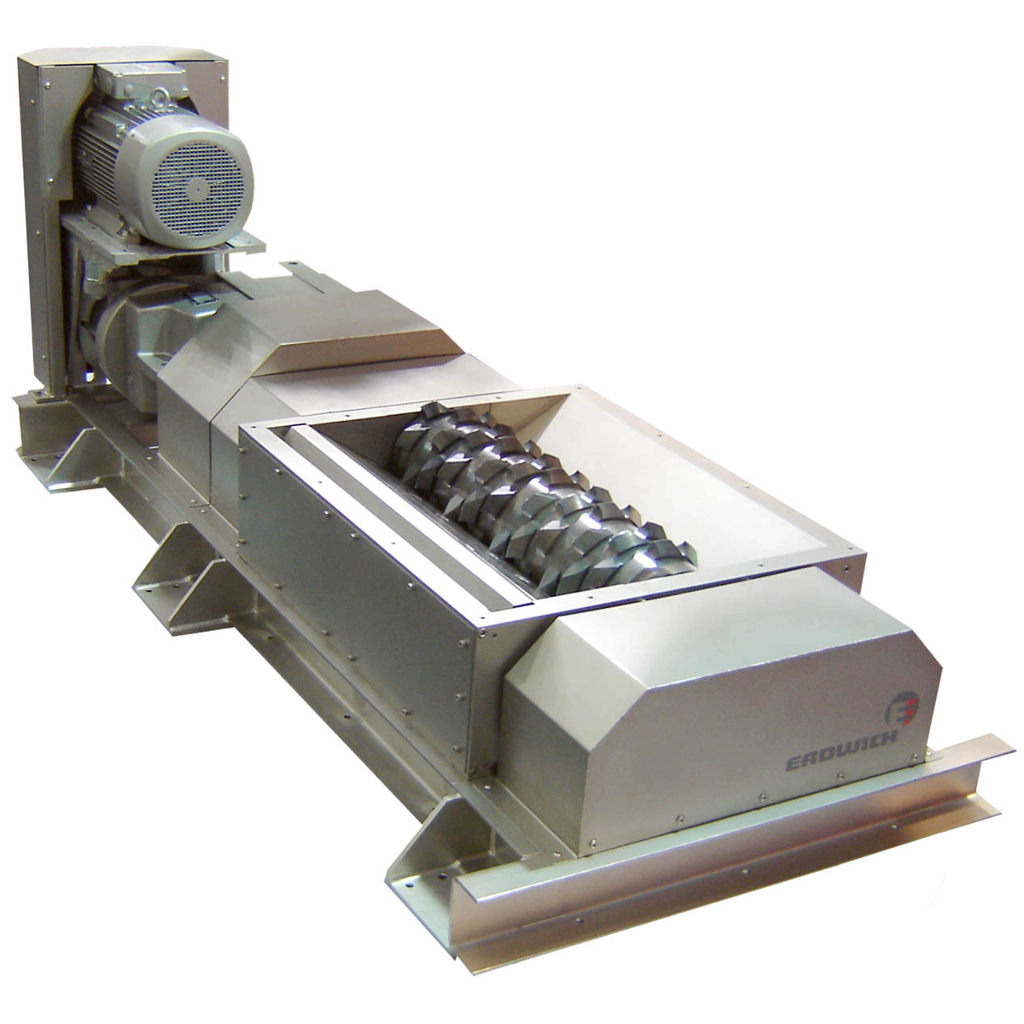
Single-shaft shredders are the precision end. A rotor cuts against a fixed stator blade and the fragment falls through a perforated screen, so the output size is set by the screen rather than by chance. They suit metal swarf, turnings, plastics, cable trim and e-scrap, where a consistent fragment matters more than raw tonnage.
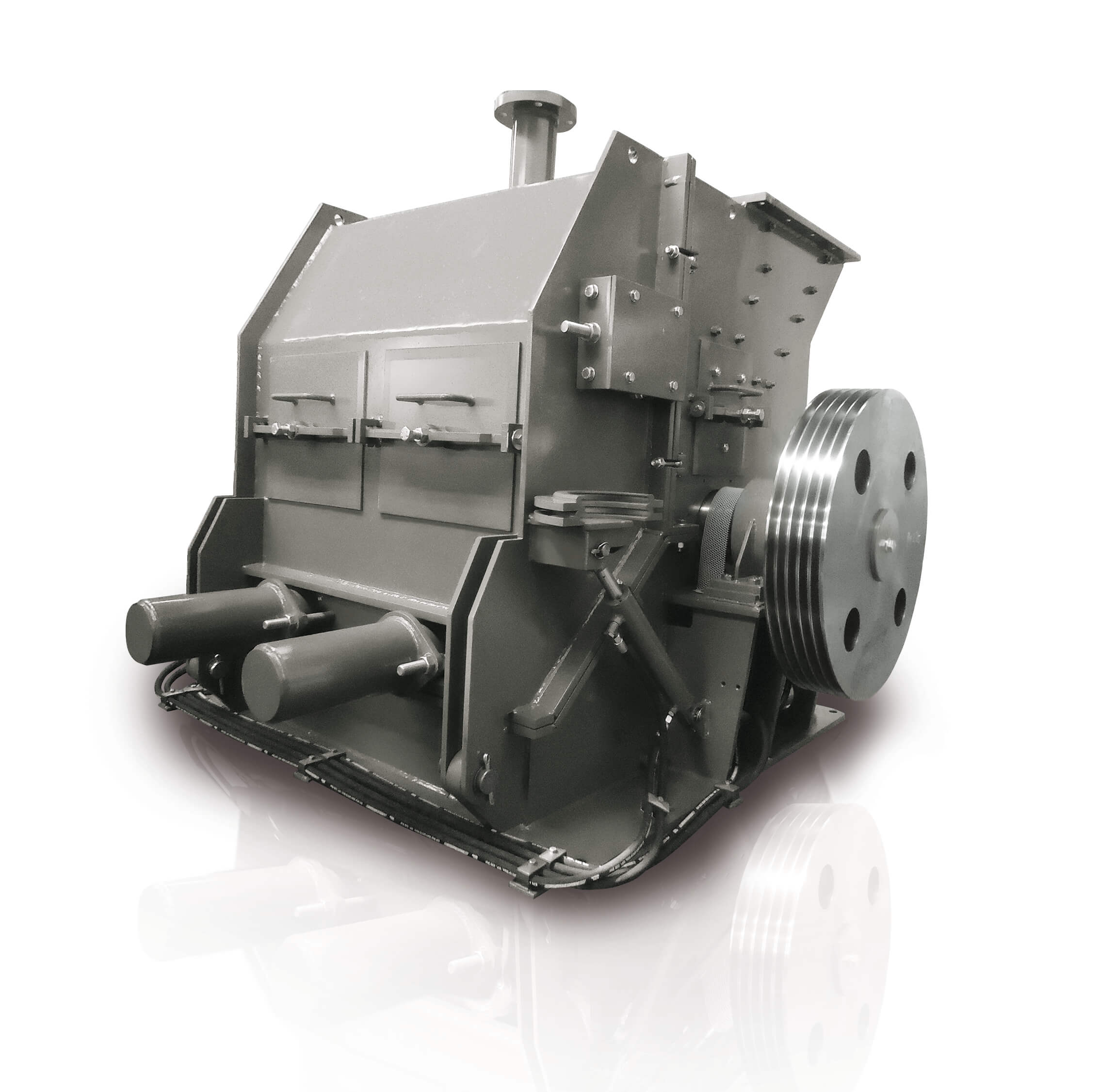
Tritone industrial shredders are the torque end. Heavy armored cable, aluminum profiles, electric motors and bulky mixed scrap go in through a wide-mouth hopper under hydraulic feed pressure. Electric drives from 150 HP (110 kW) to 335 HP (250 kW), or hydraulic drive where the material is dense enough to stall an electric motor.
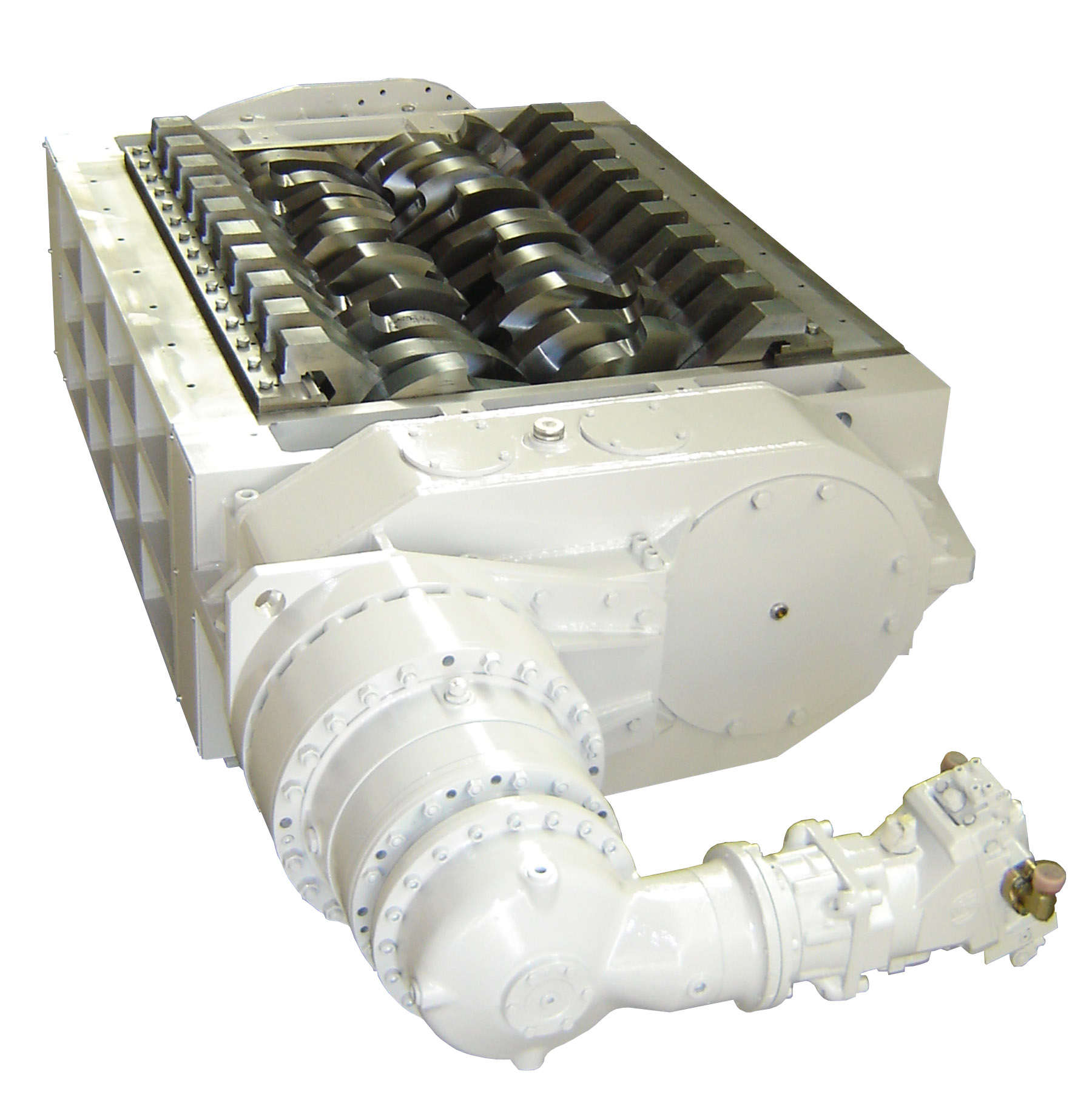
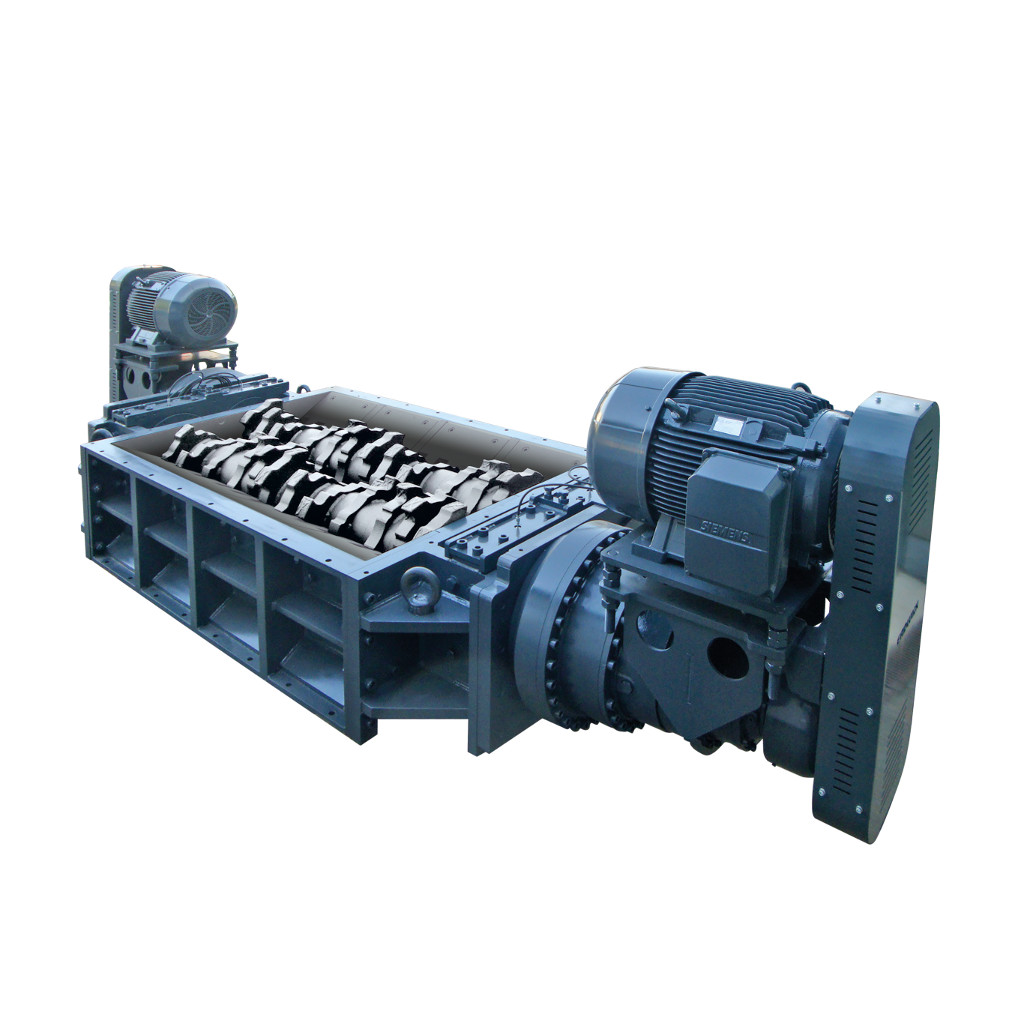
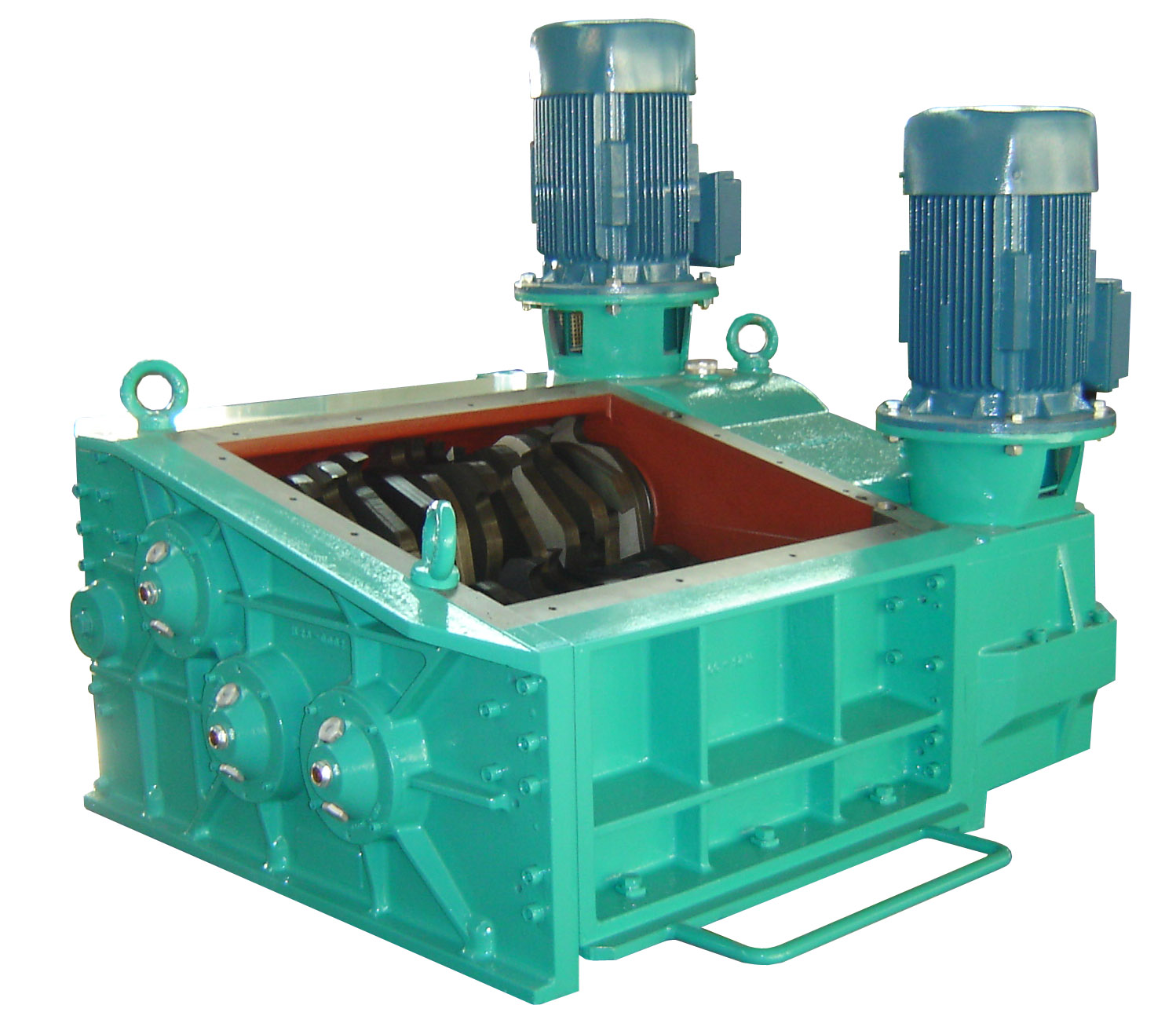
Two-shaft shredders and the two-shaft ripper shredder tear rather than cut, using two counter-rotating shafts at low speed and high torque. They handle awkward, laminated and reinforced material that jams a single rotor, and they are quieter and less prone to projectile events than a high-speed machine.
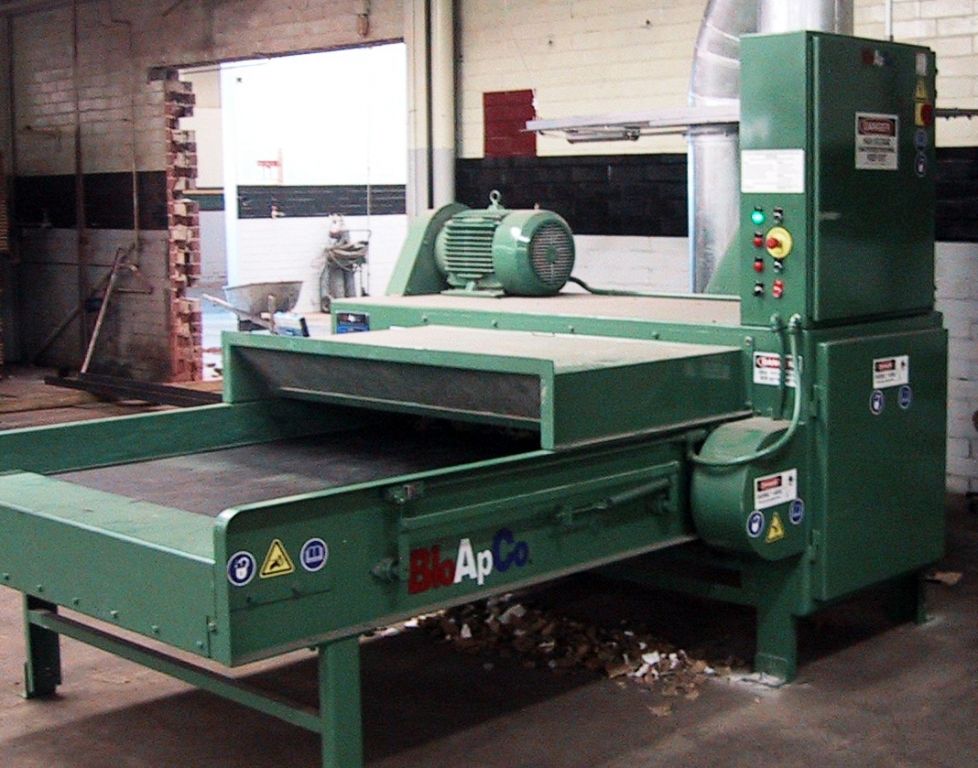
Three-shaft shredders add a third stage for material that needs more reduction in one pass, and PMG pre-shredders open up bulky loads before a granulator or mill sees them. For paper and packaging waste the cardboard shredder does the same job on a different material.
Build quality is not a brochure line
Every ERS shredder is built around rib-reinforced housings that absorb vibration and resist deformation under shock loading. Components are CNC-machined so shaft alignment and gearbox-to-mainframe stability are built in rather than shimmed in during commissioning.
That matters because a shredder that slowly goes out of true does not fail loudly. It wears cutter stacks unevenly, drifts on particle size, draws more current for the same throughput, and the plant blames the separation equipment for a problem that started two stages earlier.
Feed and configuration
Shredders are supplied bulk-fed or conveyor-fed depending on how material arrives and how the building is laid out. Cutter stacks are arranged for the fragment size you need, not for a standard specification, and drive power is matched to the duty rather than to the catalog.
ERS assesses material types, volume and facility layout before specifying anything. A machine that is too small becomes the bottleneck. One that is too large costs money to buy and money to run, and overfeeds the stages behind it.
Where shredders sit in the line
A shredder is one stage of a system. ERS engineers it together with conveyors, screens, magnetic separation, mills and dust collection, so the whole line balances. Reduction that outruns the separation behind it does not raise output, it relocates the bottleneck somewhere harder to see.
Final sizing is usually a mill rather than a shredder. Hammer mills take the shredded fraction down to a specification and liberate bonded material, which is what makes the separation stages work. Shredder and mill are chosen together, not one after the other.
The applications that drive the specification
ASR and car fluff, where consistency decides recovery. Electronics recycling, where bonded materials have to be liberated without pulverizing the fraction you are trying to recover. Batteries, ferrous and non-ferrous scrap, and mixed industrial waste that arrives in whatever shape the last process left it in.
Each of those puts a different demand on the same machine, which is why the assessment comes before the quotation.
Dust is part of the design
Shredding generates fines, and in some materials those fines carry a genuine fire and explosion risk. Capture at the source, ductwork and filtration are designed with the shredder rather than added once the line is running, because retrofitting dust control into a working plant is always harder and more expensive.
How a project starts
With the material. ERS looks at what is being processed, in what volume, what has to be recovered and the building it has to fit inside. Material can be run at the ERS test facility in Atlanta before anything is committed, so the configuration is based on your scrap rather than on a published figure.
Every shredder ERS supplies is installed, commissioned and supported by ERS, with spare parts and service from Atlanta. Where a project needs shears and balers alongside the shredding line, ERS also supplies TAURUS scrap processing equipment.
Talk to ERS about what you are shredding and what has to come out the other end.