Pre-Shredder
Guidetti
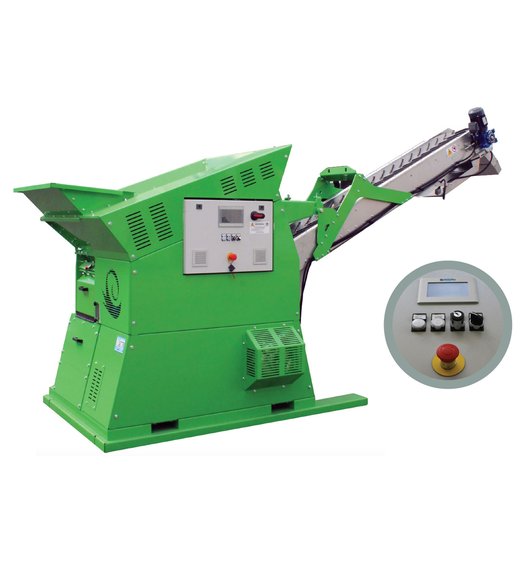
PMG 400
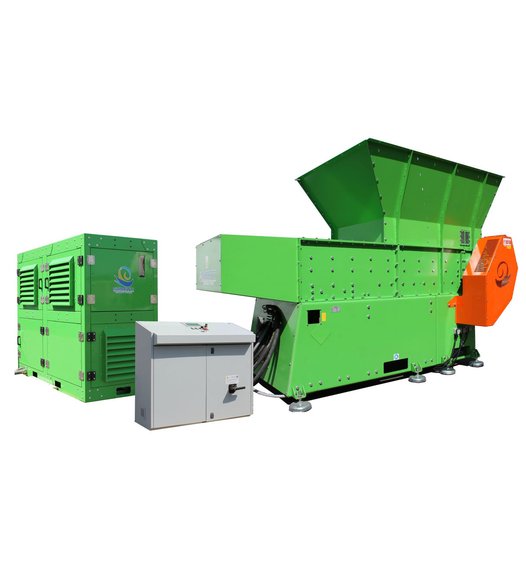
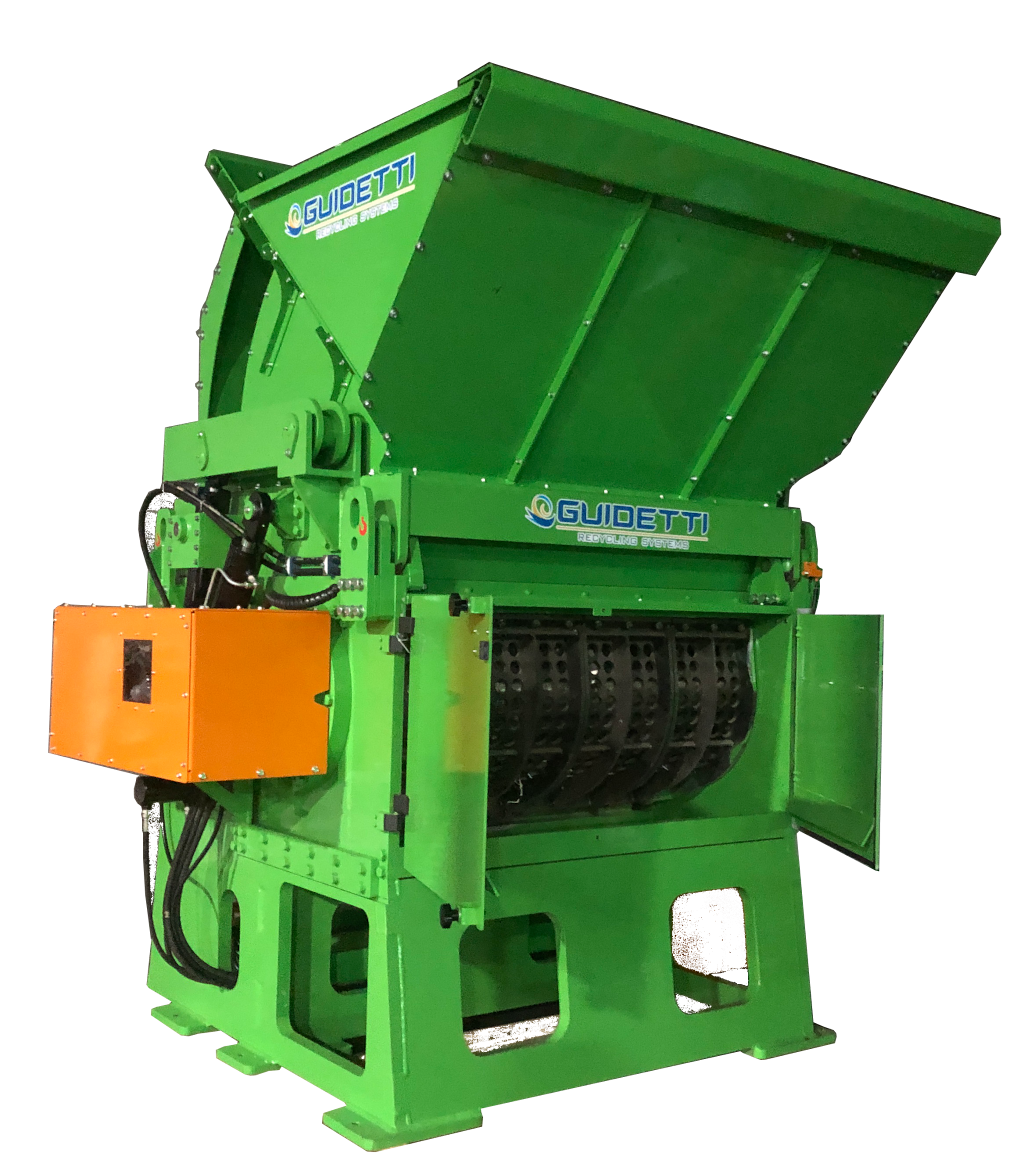
PMG 1600 The Largest Pre-Shredder in the PMG Range
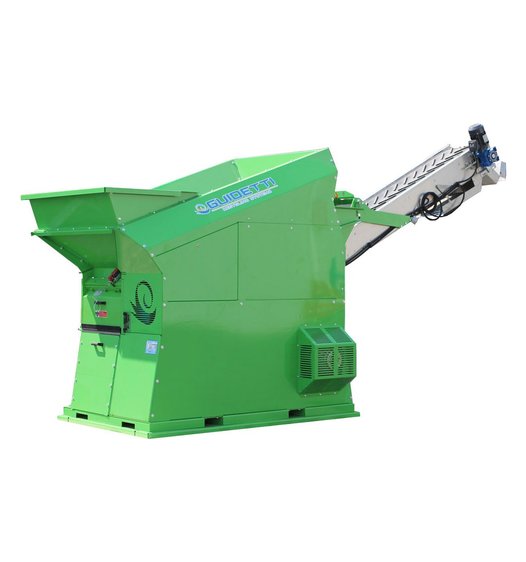
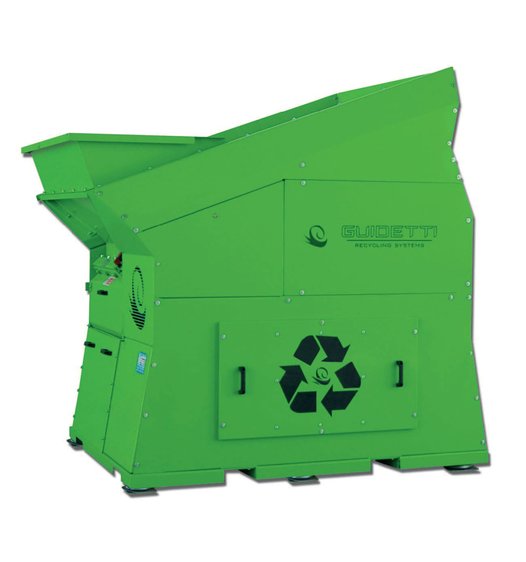
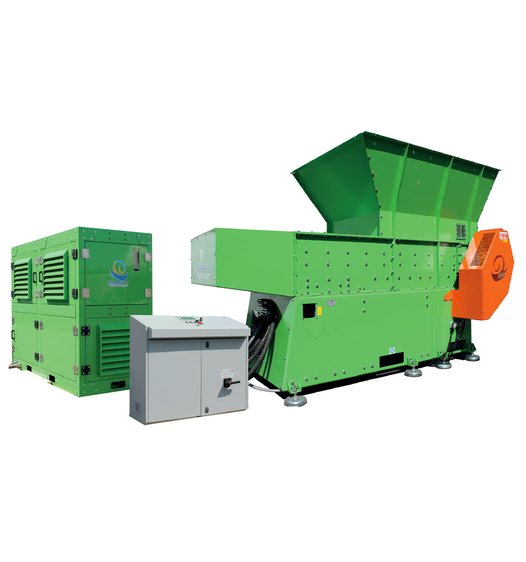
The Guidetti PMG 1600 pre-shredder is the largest machine in the PMG range. It sits at the front of a continuous line, taking electric cable, non-ferrous metals, composites and mixed industrial waste whole and sizing them for every stage behind. It is CE certified, and Engineered Recycling Systems supplies, installs and supports it from Atlanta.
What the 1600 is for
This is not a machine a plant adds to an existing line. It is the machine a line gets built around. Its control unit is rated at 177 HP (132 kW), well above the rest of the range, and everything downstream has to be able to take what it produces.
Below it, the PMG 1200 and PMG 1200 H cover large-line work at lower installed power, and the PMG 900, PMG 600 and PMG 400 handle intermittent work and tighter buildings.
Sizing it honestly
Throughput on any pre-shredder depends on material type and configuration, not on the machine alone. Clean cable and mixed contaminated scrap will not run at the same rate through the same rotor, and a figure quoted without the material behind it is worth very little.
It is also worth separating peak rate from sustained rate. A machine will take a surge it cannot hold all shift, and a line planned around the surge figure spends the rest of the week waiting. ERS works from the sustained rate on the plant's own material, which is what a trial produces and a brochure does not.
How it cuts
Material is fed manually or by conveyor into the cutting chamber, where intermeshing blades fragment it at low speed. Low speed keeps dust and noise down and gives a uniform particle size, which matters far more than raw speed when a granulator is waiting behind it.
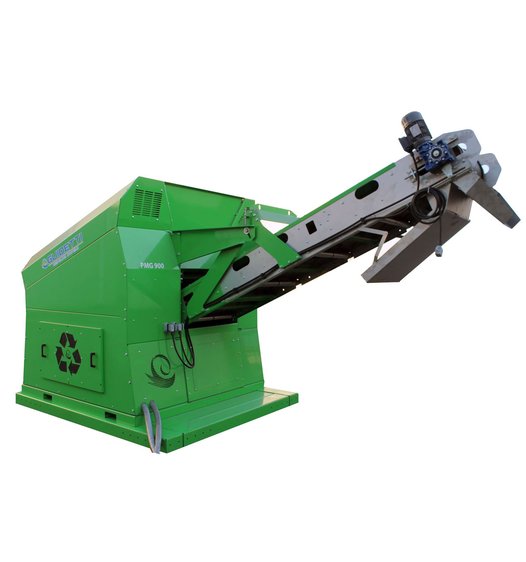
A conveyor belt with magnetic pulley carries the output away and pulls ferrous contamination out inline. Overband separators are available in several sizes where the ferrous load justifies one. Taking that metal out before the next machine is cheaper than taking the next machine apart.
What it feeds
The pre-shredder is stage one. Behind it sit Sincro granulation lines for cable, dry separation tables for the density split, and hammer mills where final sizing is needed.
Protecting those stages is most of the economic case for a machine this size. A granulator fed oversized material jams, wears fast and gives an inconsistent fragment. Fed a sized feed it runs at its rated throughput and its knives last, so the saving shows up in wear parts and uptime rather than in headline tonnage.
What runs through it
Copper and aluminum cable of most constructions. Rubber, plastics, paper and composite scrap. E-waste too bulky to go straight into a precision machine, and mixed industrial feedstock that arrives in whatever shape the last process left it.
The common factor is size and resistance rather than material type. If it is too big, too tough or too tangled for the next machine, it goes through a pre-shredder first.
At this size, sorting at the infeed usually earns more than any further increase in machine capacity. What a pre-shredder cannot do is make an unsorted pile behave like a sorted one.
Where it fits in a line
ERS integrates the 1600 with conveyors, granulators, air separation and dust extraction so the stages balance. A pre-shredder that outruns the granulation behind it does not raise output, it just moves the bottleneck somewhere harder to see.
On a machine of this capacity the handling either side almost always decides the real throughput. Material arriving in surges, or a discharge that backs up, costs more over a year than the difference between two machine sizes. That is the part of a project worth arguing about, and it is the part that gets least attention.
Maintenance
Easy-access panels and a rotary valve system keep material moving and make inspection straightforward. Sealed bearings, reinforced housings and an operator-level control interface suit continuous duty with minimal supervision.
Blades and screens are consumables. What decides their real cost is how long the line stands still while they are changed, which is why access is designed in rather than worked around. On a machine running a full shift, an hour saved on a blade change is an hour of production.
How a project starts
With the material. ERS looks at what arrives, in what volume, what has to be recovered and the building it has to fit inside. Material can be run at the ERS test facility in Atlanta before anything is specified, and at this capacity that step pays for itself several times over.
Every machine ERS supplies is installed, commissioned and supported by ERS, with spare parts and service from Atlanta. The full Guidetti range sits alongside the rest of the ERS metals processing equipment.
Talk to ERS about what you are feeding and what the next machine needs to see.